Day & night relief from dry mouth! Let XyliMelts moisturise and bring relief to your dry mouth! Shop Now

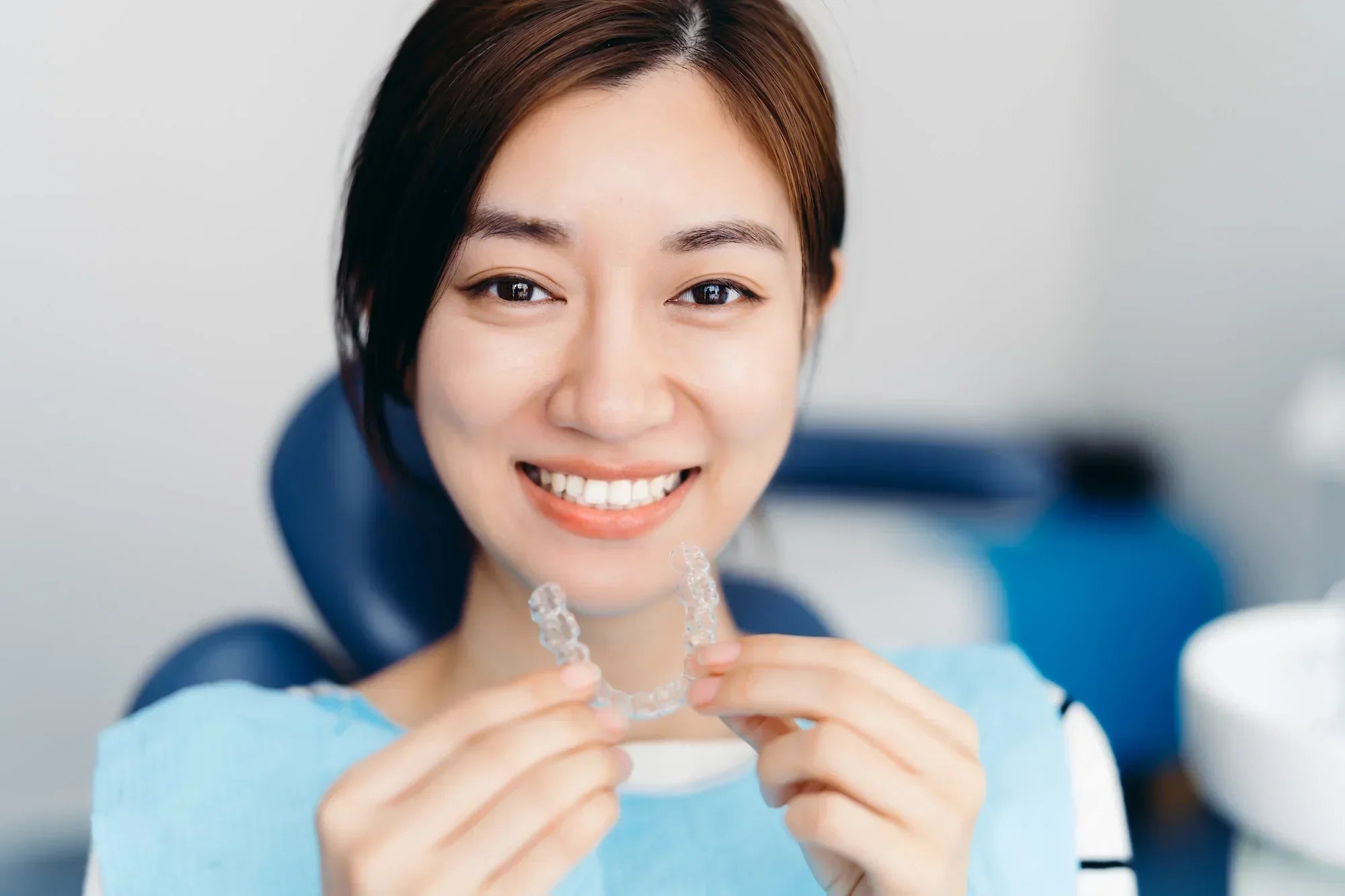
Busting the Myth of Nature Keeping a ‘Balance’ Between Good and Bad Bacteria in Your Aligner Trays
Your Aligners and Your Oral Microbiome. Er, my Oral Micro-what-ome?
It’s the colony of microscopic life that co-exist in your mouth – your oral microbiome.
Until recently, we’ve been taught to have a healthy suspicion about the bacteria it contains and quite rightly - up to 20 strains of those bacteria cause tooth decay.
The main culprit is streptococcus mutans, but it's got around 19 other sidekicks all ready to feast on carbohydrates from our diet and to pump out enamel destroying acids that can lead to decay. Ooooft!
In aligners, we go into battle with those bacteria armed with brushes, toothpastes and rinses 3 times a day to keep them at bay, right?

YOU MIGHT ASK, THEN ...
If oral bacteria cause decay, why are people beginning to talk about ‘working on’ a balanced oral microbiome?
Lots of people support good bacteria in their gut. Think eating your chicory, onions and leeks for them to feast on. In its simplest form, the belief is more good bacteria means less room for bad bacteria.
Since the mouth is the beginning of the gut, people have begun to apply the same rule to it, believing supporting good bacteria means there's less room for decay causing bacteria.
It’s an appealing idea, but, in aligners (and even out of aligners), it’s an approach that needs closer examination if we’re to comply with aligner protocol.

LET’S HEAR IT FOR THE GOOD GUYS!
How are some oral bacteria beneficial to oral health?
The beneficial bacteria in our mouths:
- Suppress the harmful bacteria The fewer, the better of those boys, right?
- Can help prevent infections like strep throat Our tonsils are dancing!
- Support gum health Loving their work!
- Reduce acid erosion What's not to like?
- Help begin the digestive process Salutations to them.
- Release flavour sensations Fans of cheese and sourdough might be surprised to learn that certain bacteria help us taste the complexities in those flavours.
Yippee, er, we mean, yummy! All in all, when it comes to these good guys, we’ve nothing to grumble about. But do keep brushing, obvs!
But is an interest in allowing a ‘naturally balanced’ oral microbiome advisable for oral health during aligner treatment?
Orthodontists advise a medical grade approach to oral hygiene products, particularly those products formulated to support your oral health against the dysbiosis – that's fancy pants for the out of whack bad bacteria balance – that comes with wearing aligners.
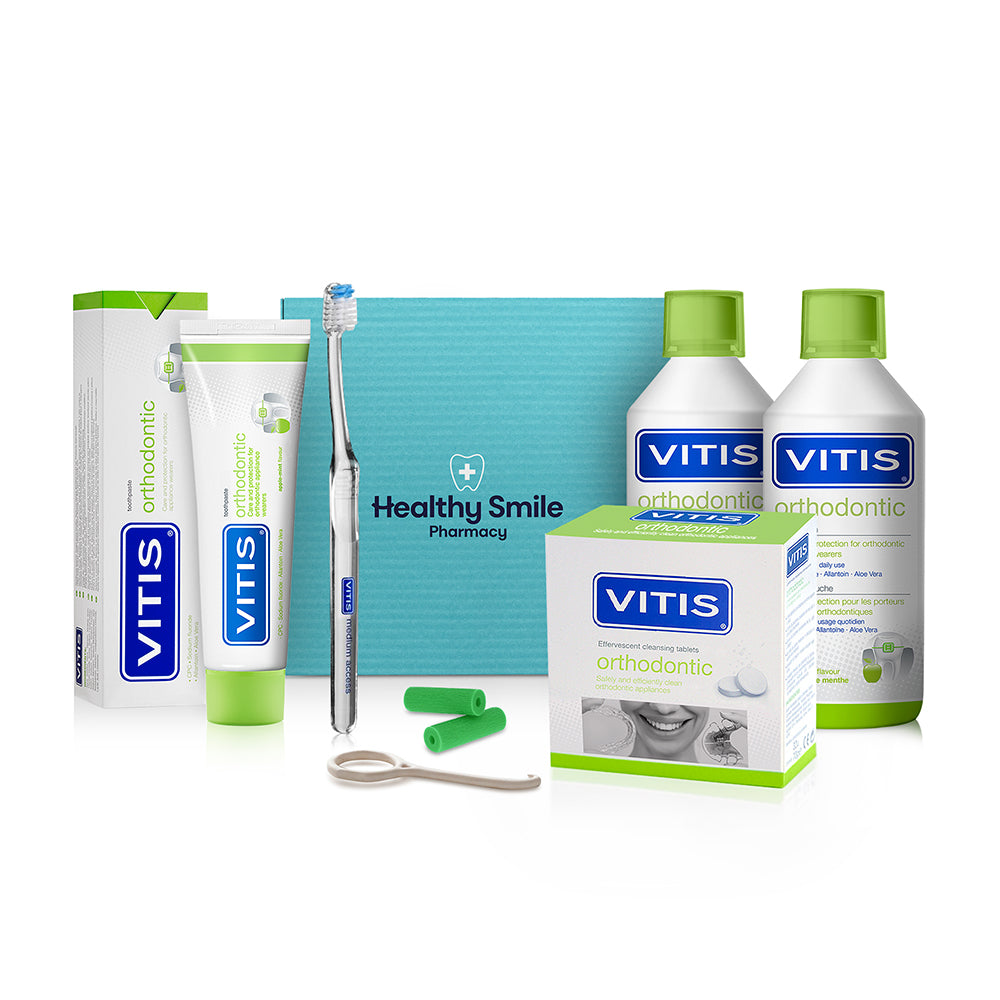
How does VITIS Orthodontic take a uniquely formulated medical grade approach to your oral microbiome in aligners?
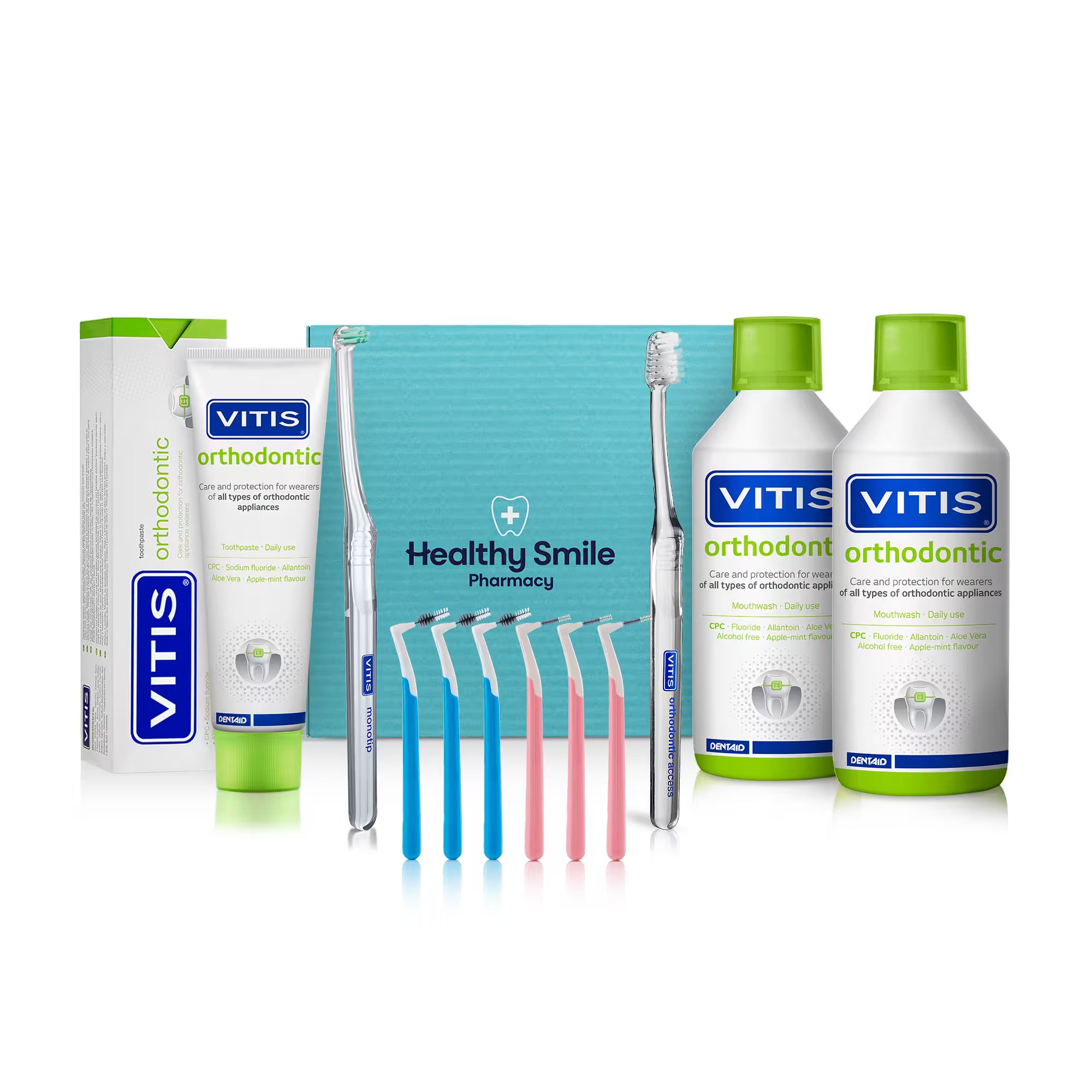
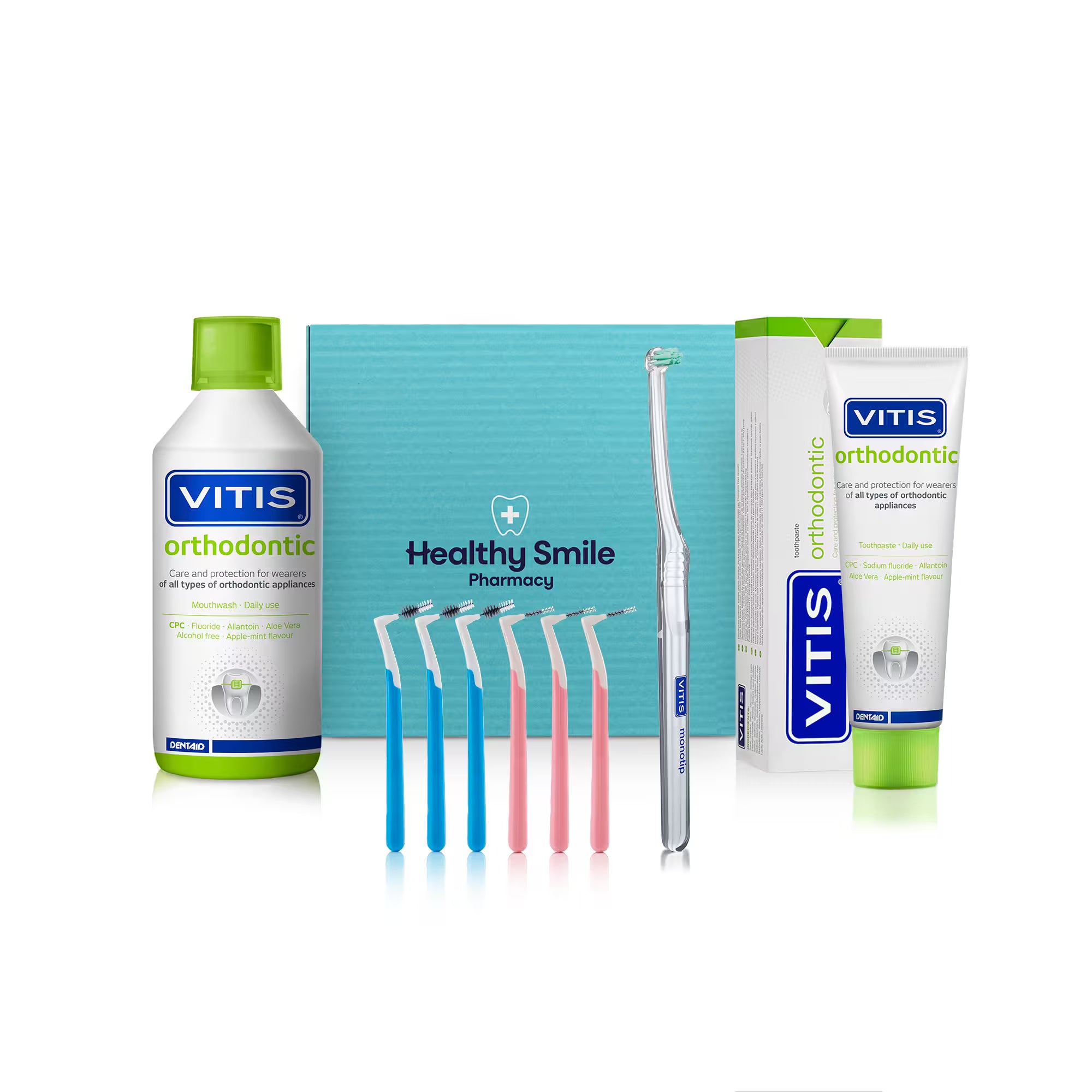
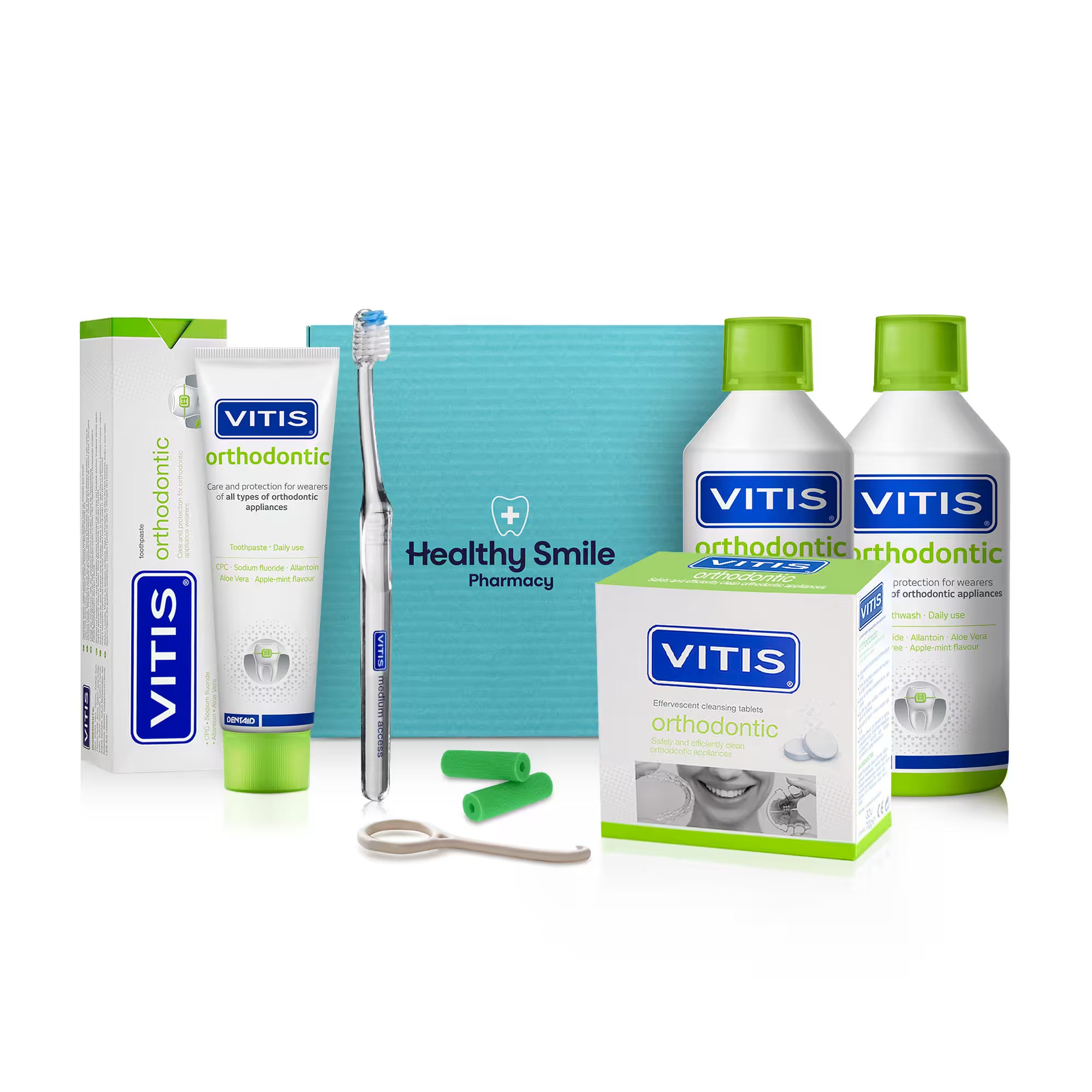
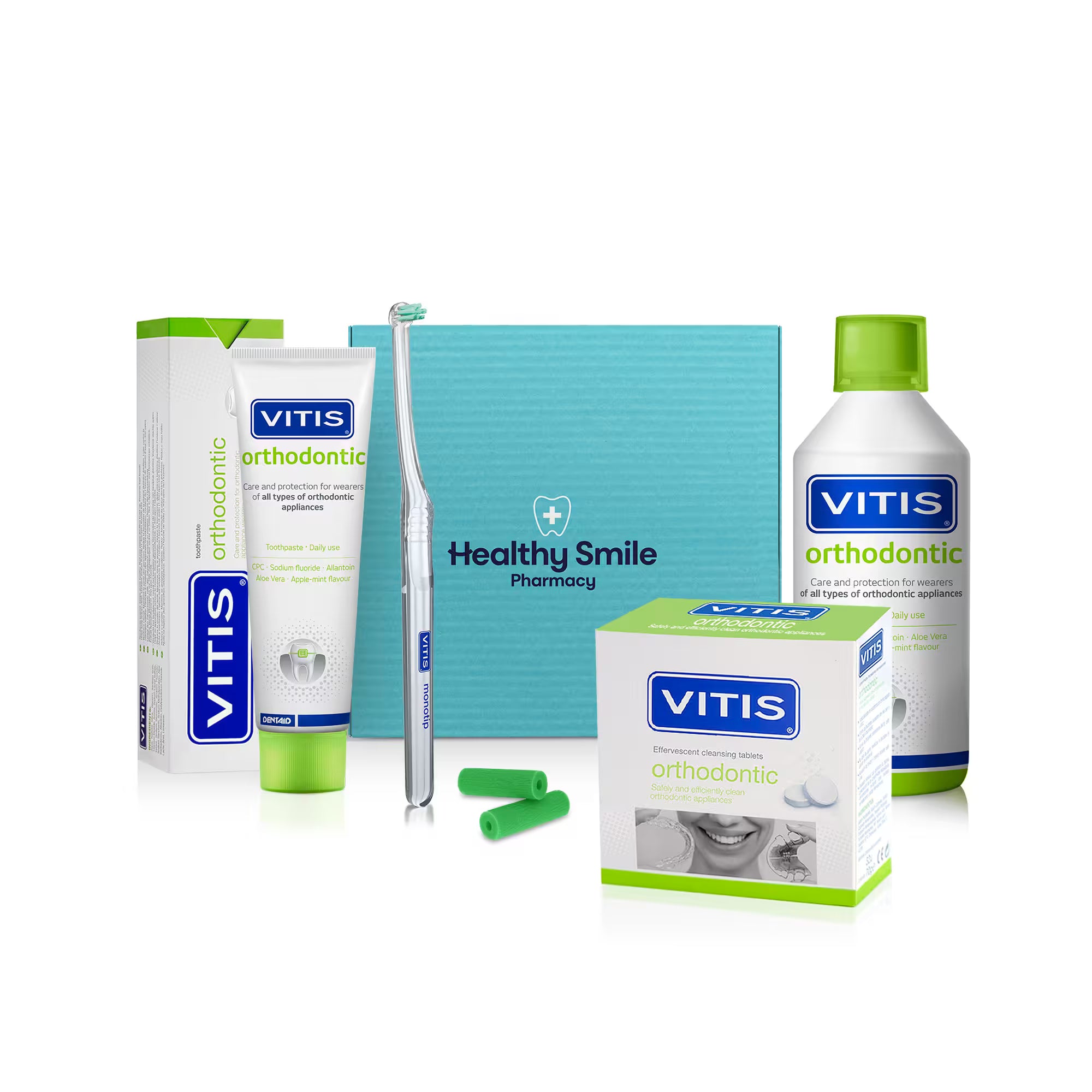
Brushing with VITIS Orthodontic Toothpaste and mouthwashing with VITIS Orthodontic Mouthwash between brushing sessions means you’re continually keeping on top of that decay creating bacteria that love your aligner.
Cetylpyridinium chloride - CPC
That bad bacteria with its upper hand in your aligner trays? CPC takes care of that by killing it and preventing it from reproducing. Remember, with aligners, the bad bacteria is likely to outweigh the good so CPC steps in where your reduced beneficial bacteria can’t.
Sodium fluoride
Alongside its heavy lifting of remineralising tooth enamel under attack by plaque acids, fluoride has an anti-bacterial effect. It reduces acid production, which inhibits the growth of acid-producing bacteria like streptococcus mutans – that age old enemy of healthy teeth. Fluoride has all the good guy evidence on its side in the fight against that bad guy!
Aloe Vera
Aloe vera is naturally anti-bacterial but also helps protect gums and promote healing in soft tissues – which can be key when those aligners get their pinch and rub on. Bit of a multi-tasker, right?
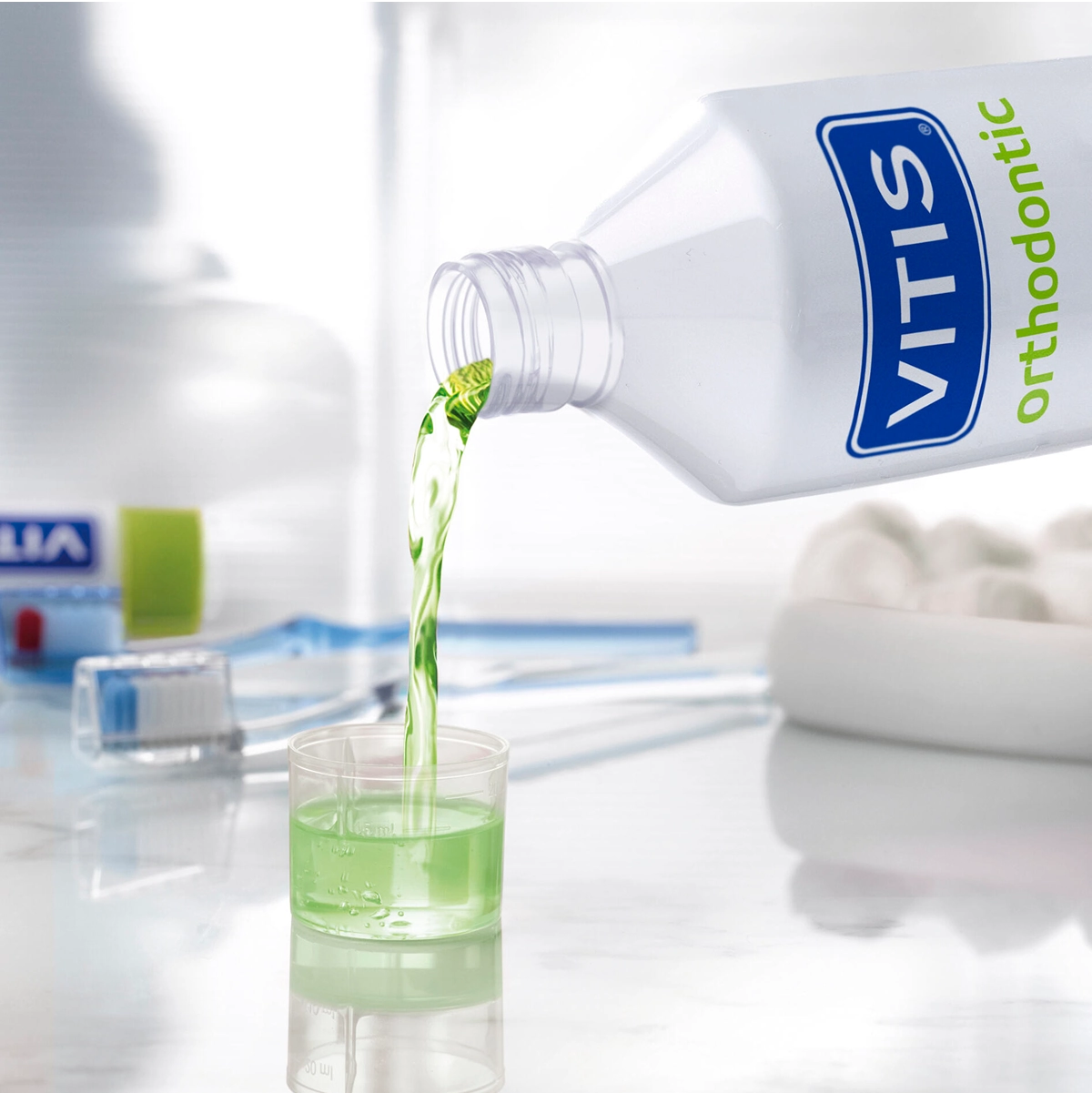
Let’s bust the myth of ‘the good will naturally outweigh the bad if I use natural toothcare products rather than medical grade formulations during aligner treatment’
The idea behind many “microbiome-friendly” toothpastes is that they avoid ‘harsh’ antiseptics, instead using ‘gentler’ ingredients. The underlying suggestion is that this will “let the good bacteria flourish.”
But there’s a problem with that ‘natural’ approach when you’re wearing aligners.
Let’s be straight about decay causing oral bacteria in aligners
The bacteria that cause tooth decay love the environment in your aligners. It’s their idea of the perfect holiday destination. They thrive on:
- Lack of oxygen
- Reduced saliva
- Greater likelihood of trapped food particles
All this helps them multiply and pump out their enamel eroding acids that weaken your teeth’s defences against decay.
Beneficial bacteria hate the environment in your aligners
The goodies prefer an oxygen rich environment and a different PH balance that they don’t find in your aligner tray. The space they once took up in the biofilm on the surface of your teeth is now invaded by the decay causing bacteria.
In short, the battlefield in the war against bacteria isn’t the same when you’re wearing aligners
What may have been a more ‘balanced’ microbiome pre-treatment, is suddenly Strawweight vs Heavyweight. Your beneficial bacteria struggle to thrive in your trays and the decay causing bacteria can throw their weight around more easily.
You need to help your mouth tamp down those bad bacteria. Your good bacteria are still going to give it a go where they can, but it’s naive to think it’s a fair game of a balanced one on one.
No one wants a treatment that, without the right medical grade products designed to support your teeth and gums, could marshal in:
- Eroded enamel
- Decalcification spots
- Pre-decay
- Decay
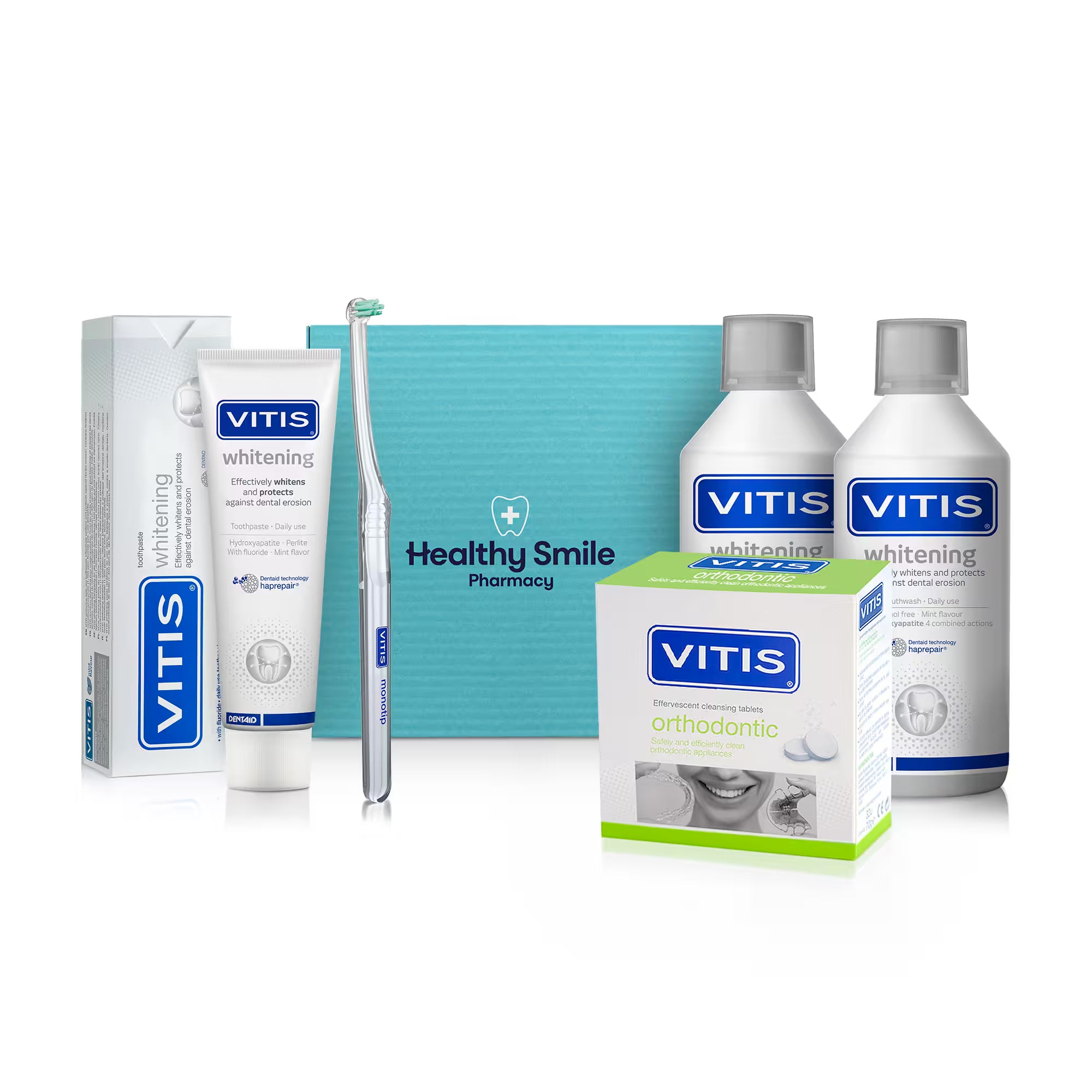
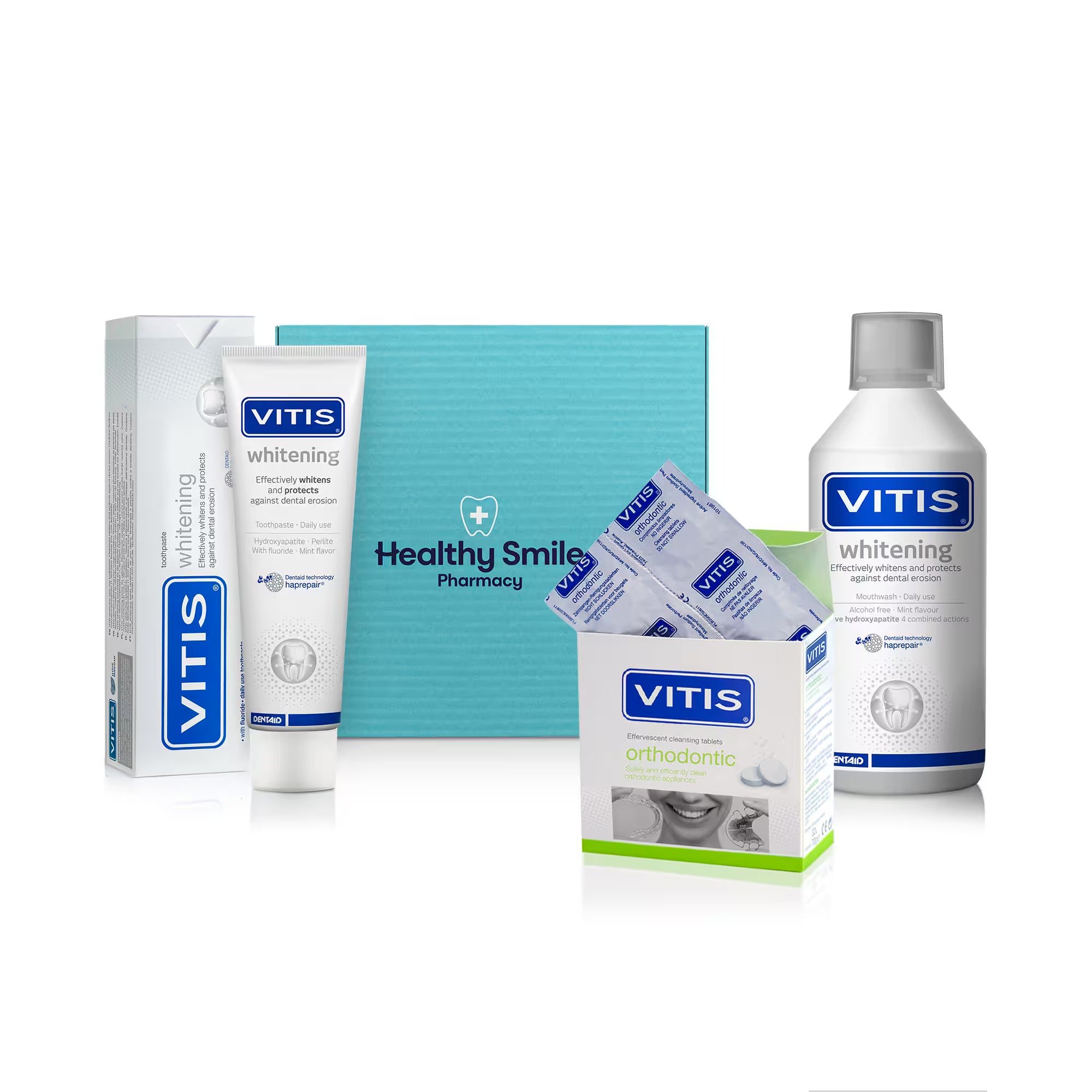
We certainly don’t want it for you. No, siree, not on our watch! Make sure it’s the medical grade approach of either the Aligner Complete Kit or the Aligner Essentials Kit for you.
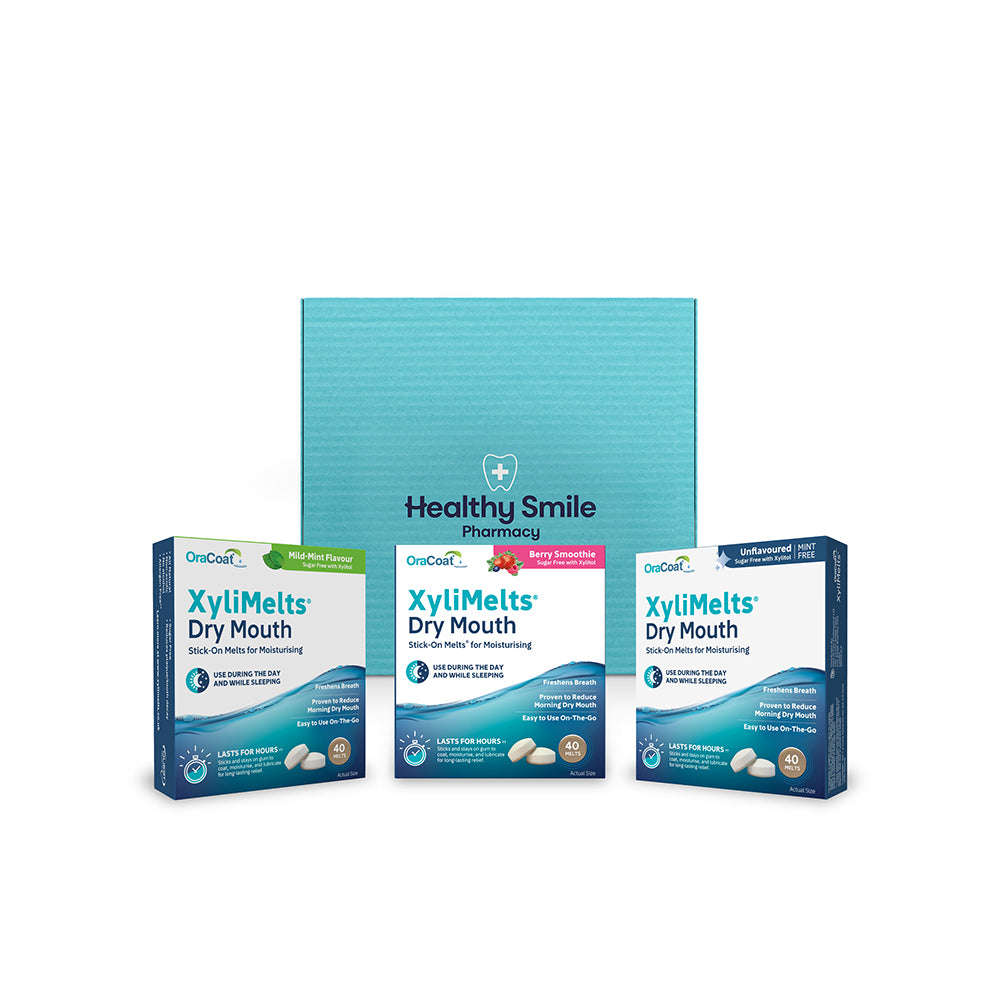
3 ways you can still naturally be Team Good Bacteria in aligners, just don’t abandon the fluoride and cetylpyridinium chloride (CPC)!
1. XyliMelts help support oral health
XyliMelts contain xylitol, a natural sugar alcohol from birch trees or corn (who knew?!). Don’t be fooled by the word ‘sugar’ - this caped crusader’s sugar-style protects your teeth.
Remember how you used to chew xylitol gum? Swap to XyliMelts and you get all the benefits of commensal bacteria – those are the goodies – as xylitol won’t harm them but xylitol will inhibit streptococcus mutans. It’ll also raise your oral PH to support teeth.
XyliMelts also combat that dry mouth feeling you get when wearing aligners. You can even stick one to your gum and sleep with it as it slowly melts. Is that a round of applause we hear coming from those commensal bacteria? It could well be!
2. Aloe Vera
As you know, it’s a key ingredient in your VITIS Orthodontics subscription so, luckily, there’s no need to hack off an aloe vera leaf from the nearest plant source to chow down on! Just keep up with the brushing and rinsing and let it do its thing.
3. Green Tea
Swapping your regular black tea to green tea certainly won’t harm your teeth (just take that aligner out first, you know the drill) and there’s some interesting evidence to suggest that catechins in green tea have decay control potential.
While there are absolutely no substitutes for brushing and fluoride in terms of evidence, putting in a little vote for oral health via green tea catechins might give you some feel good factor knowing that streptococcus mutans isn’t going to count you in its team. And that’s ok by us!
But remember, it is not, by any stretch, a mouthwash – it's just a refreshing tooth friendly beverage!
Healthy Smile Pharmacy says, keep it medical grade in aligners. After all, tooth decay and the repairs it requires from your dentist will always make it just that bit easier for decay causing bacteria to find another foothold in the future. And that really isn’t the idea you had in mind when you signed up to aligners, is it?
Keep brushing!