Day & night relief from dry mouth! Let XyliMelts moisturise and bring relief to your dry mouth! Shop Now


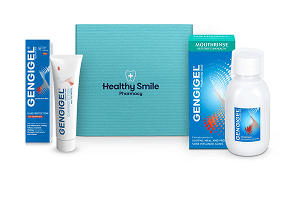
Gengigel
The hyaluronic acid speed healer for sore and inflamed gums, wounds, and gum first aid.
Soothe and heal, naturally
Science-led healing boosts the unique, patented formulas of Gengigel’s range of products. Gengigel stops minor bleeding, soothes soreness and swelling, relieves the pain of mouth ulcers, dry or burning mouths and promotes healing.
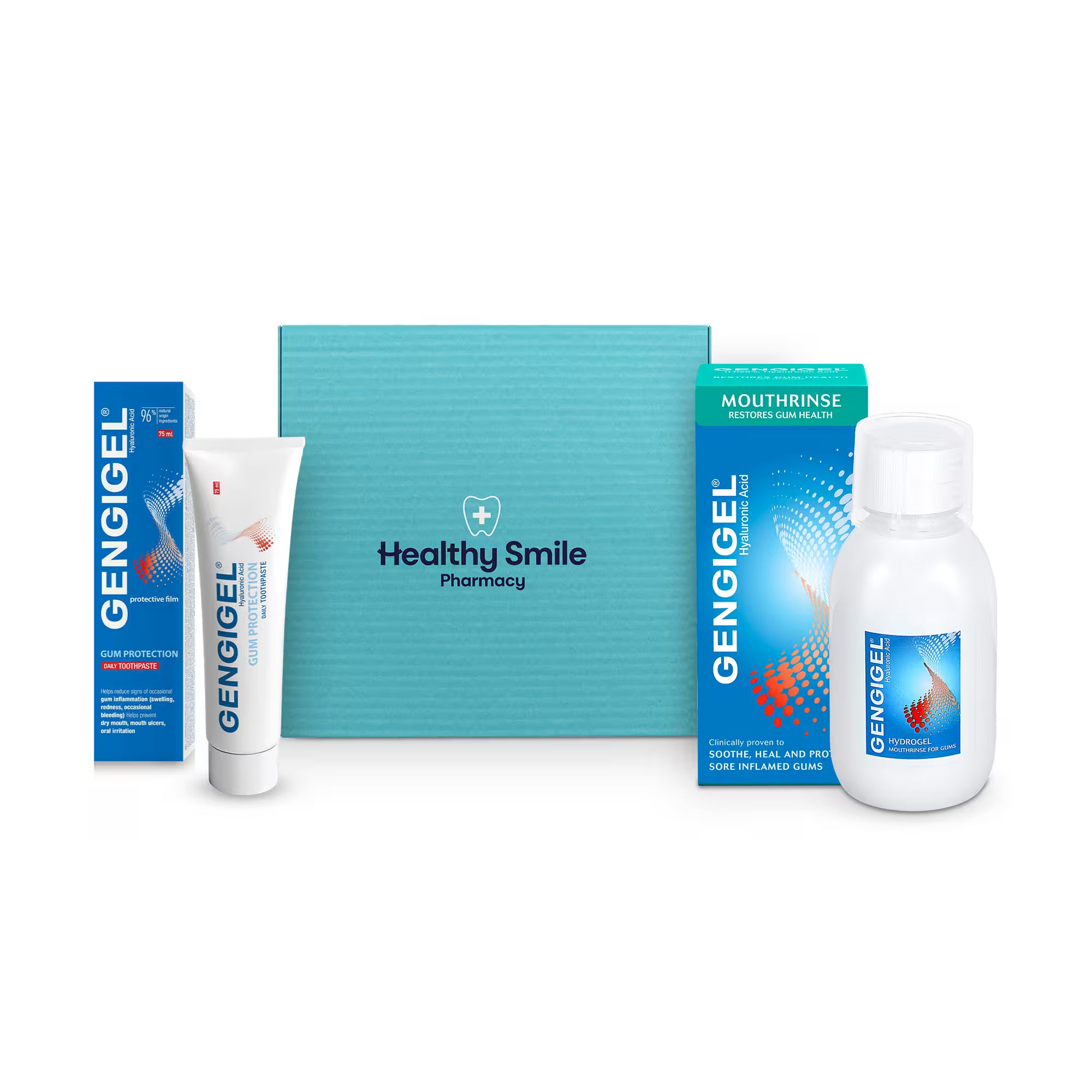
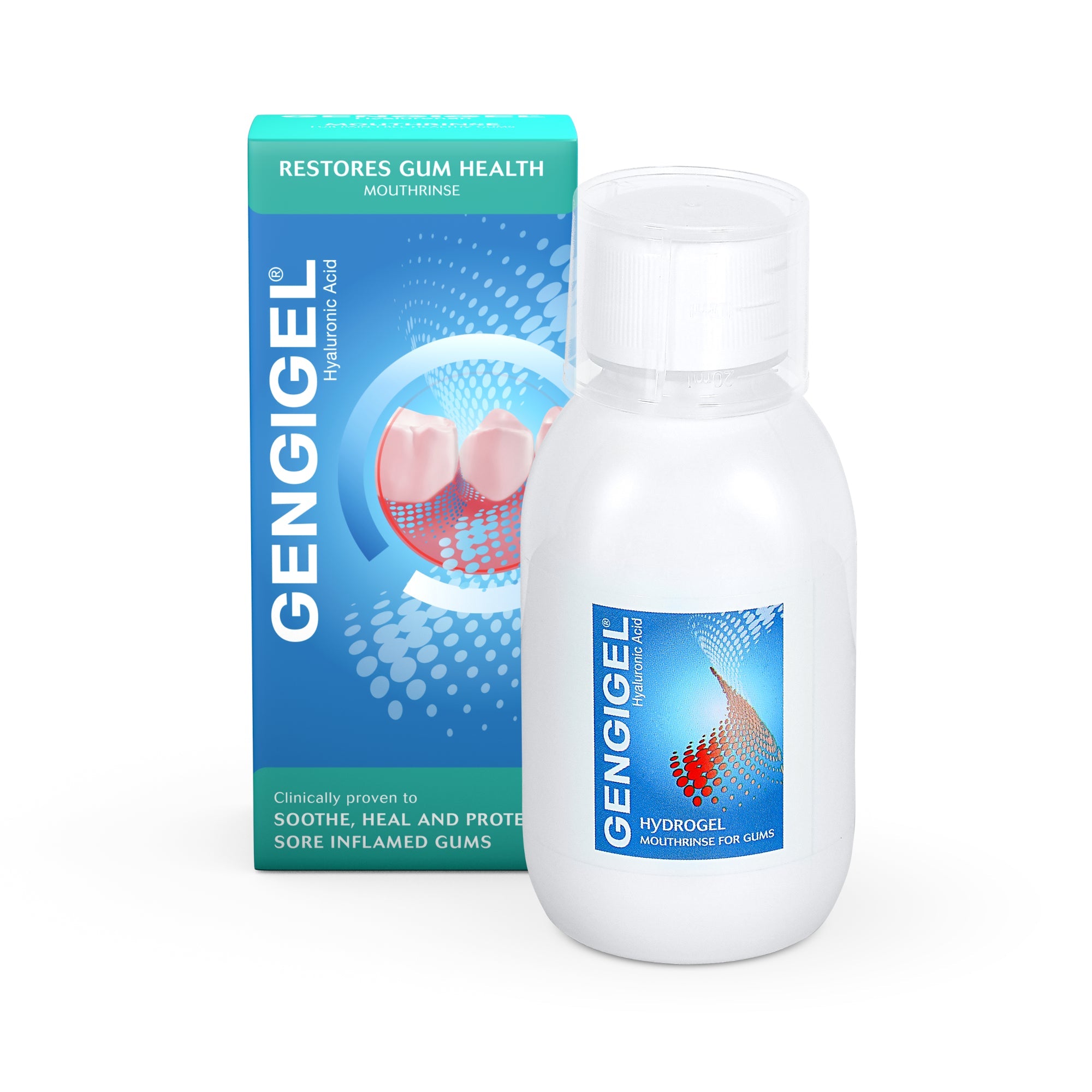
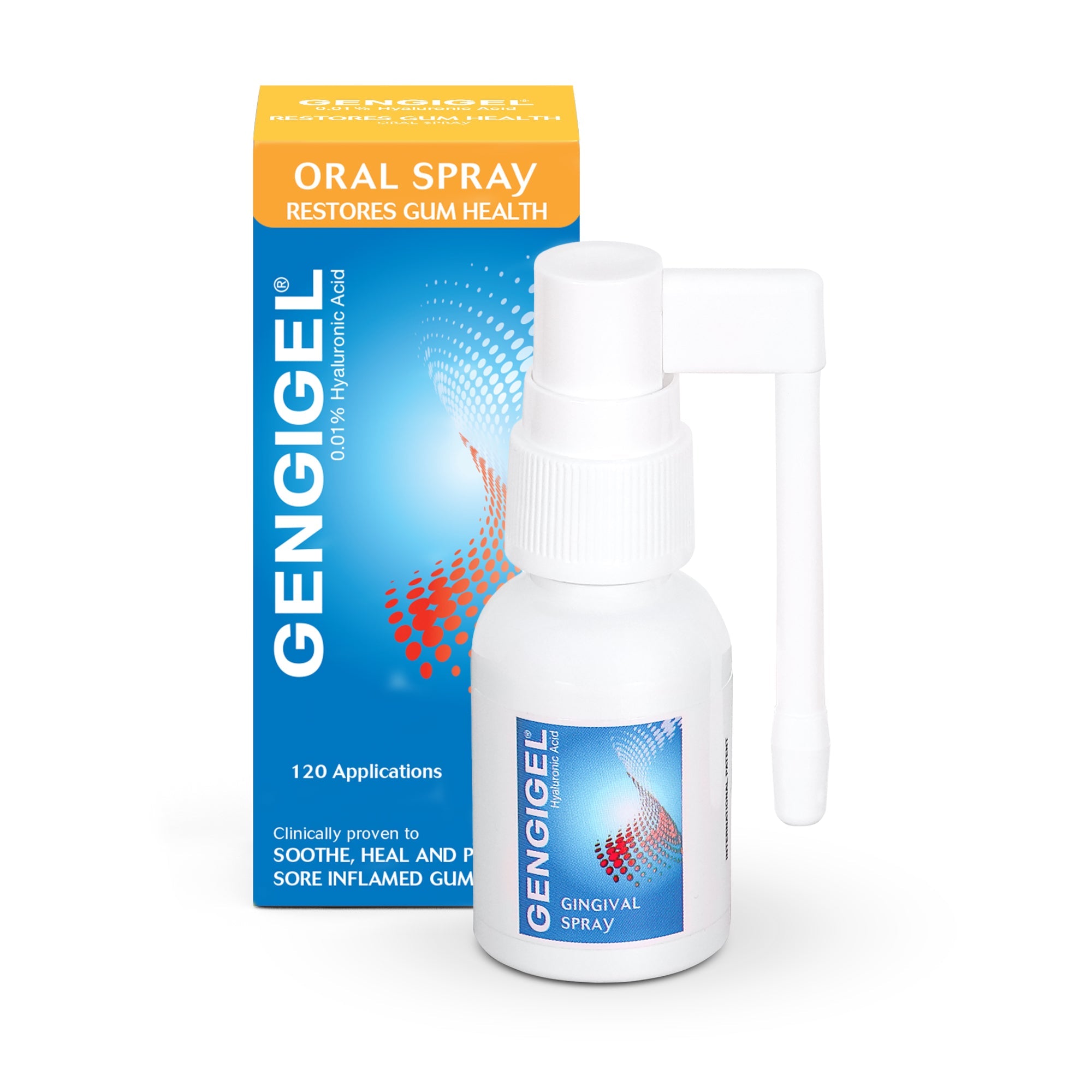
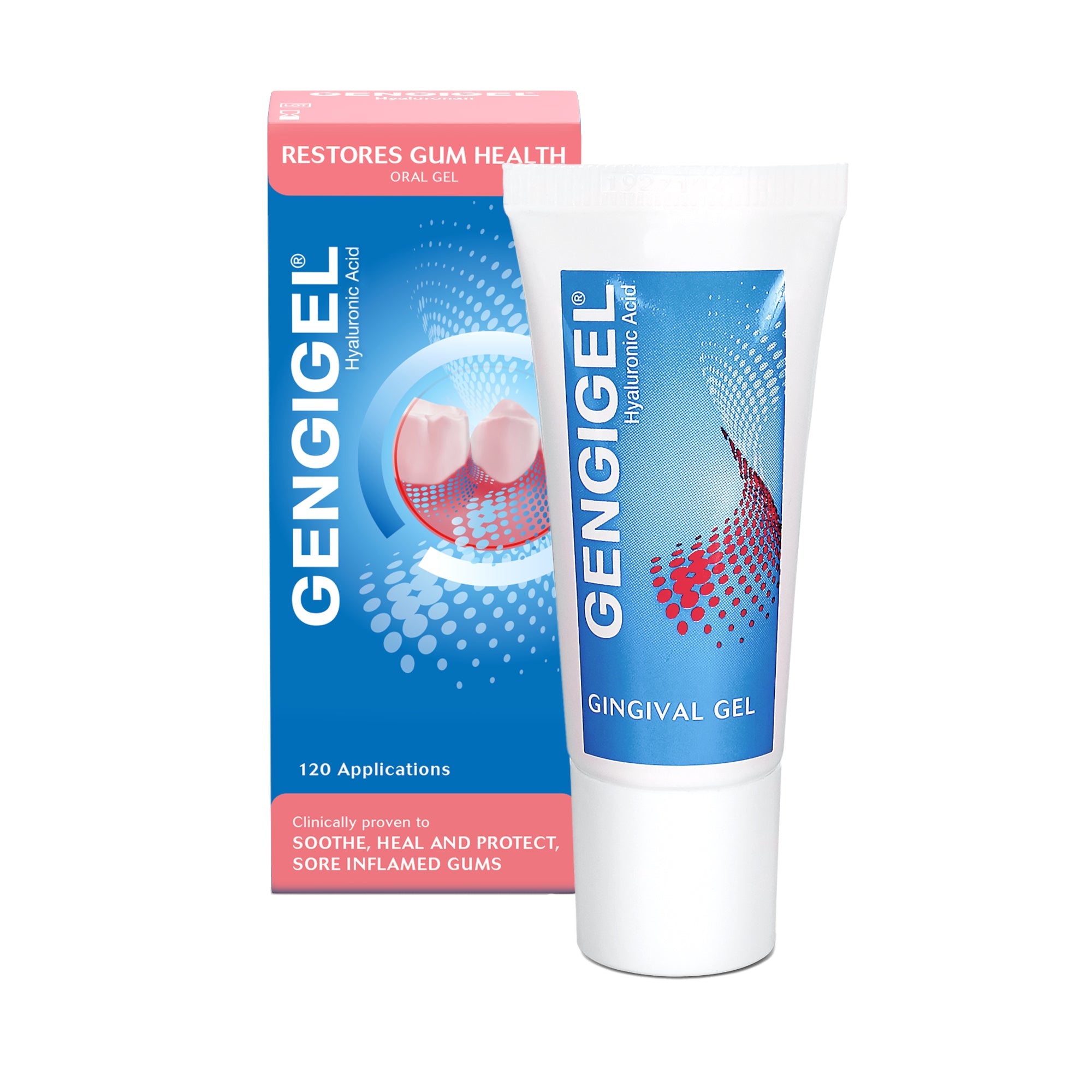
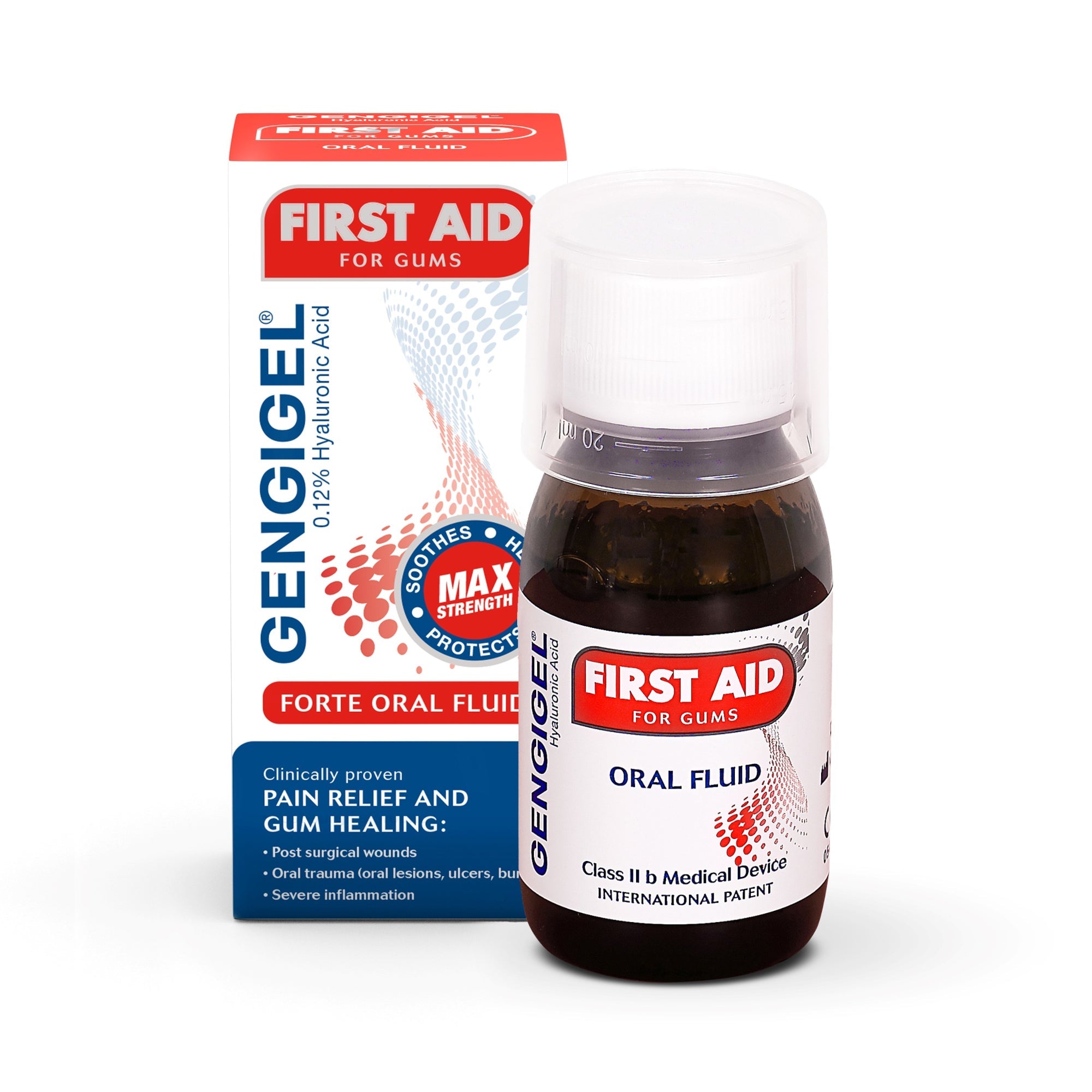
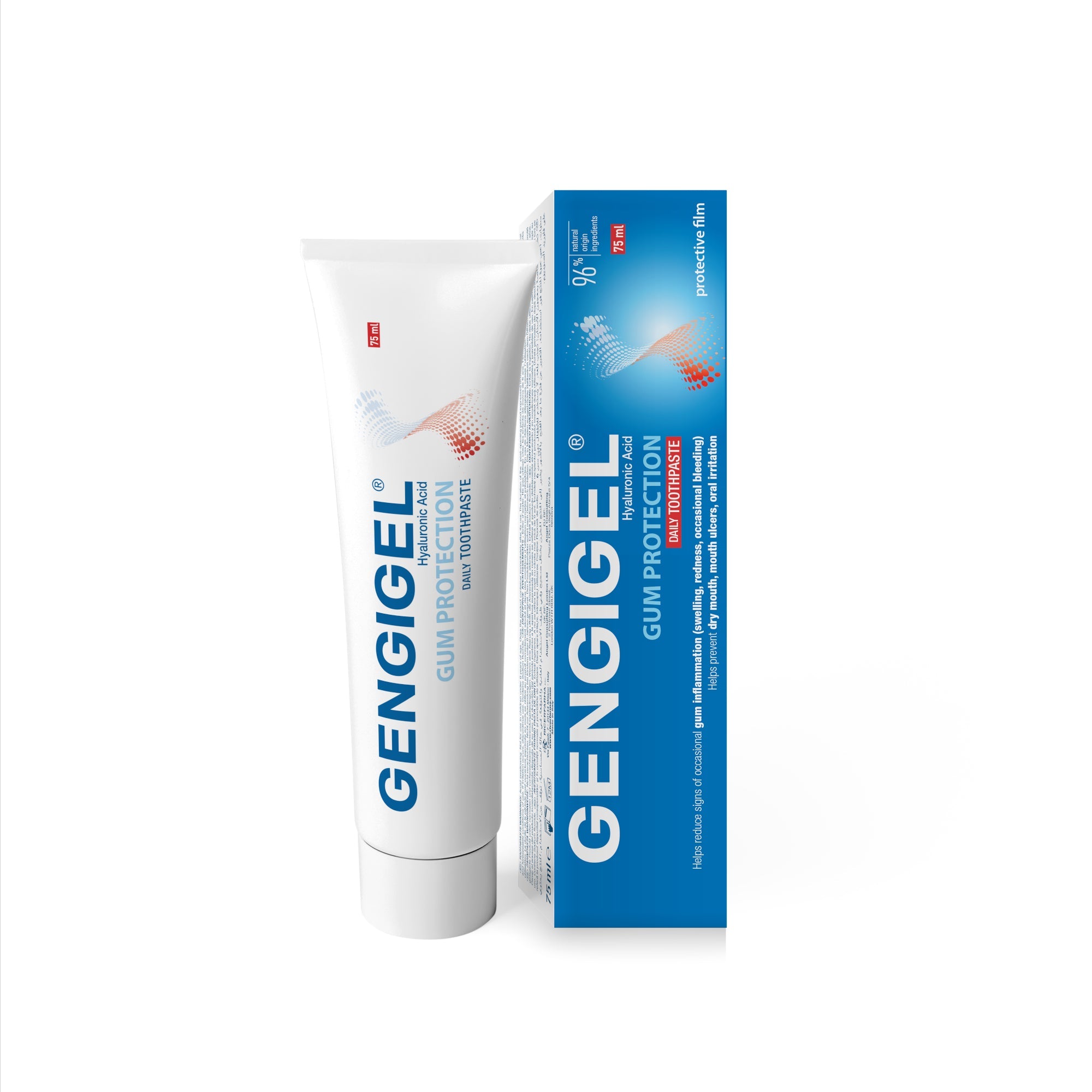
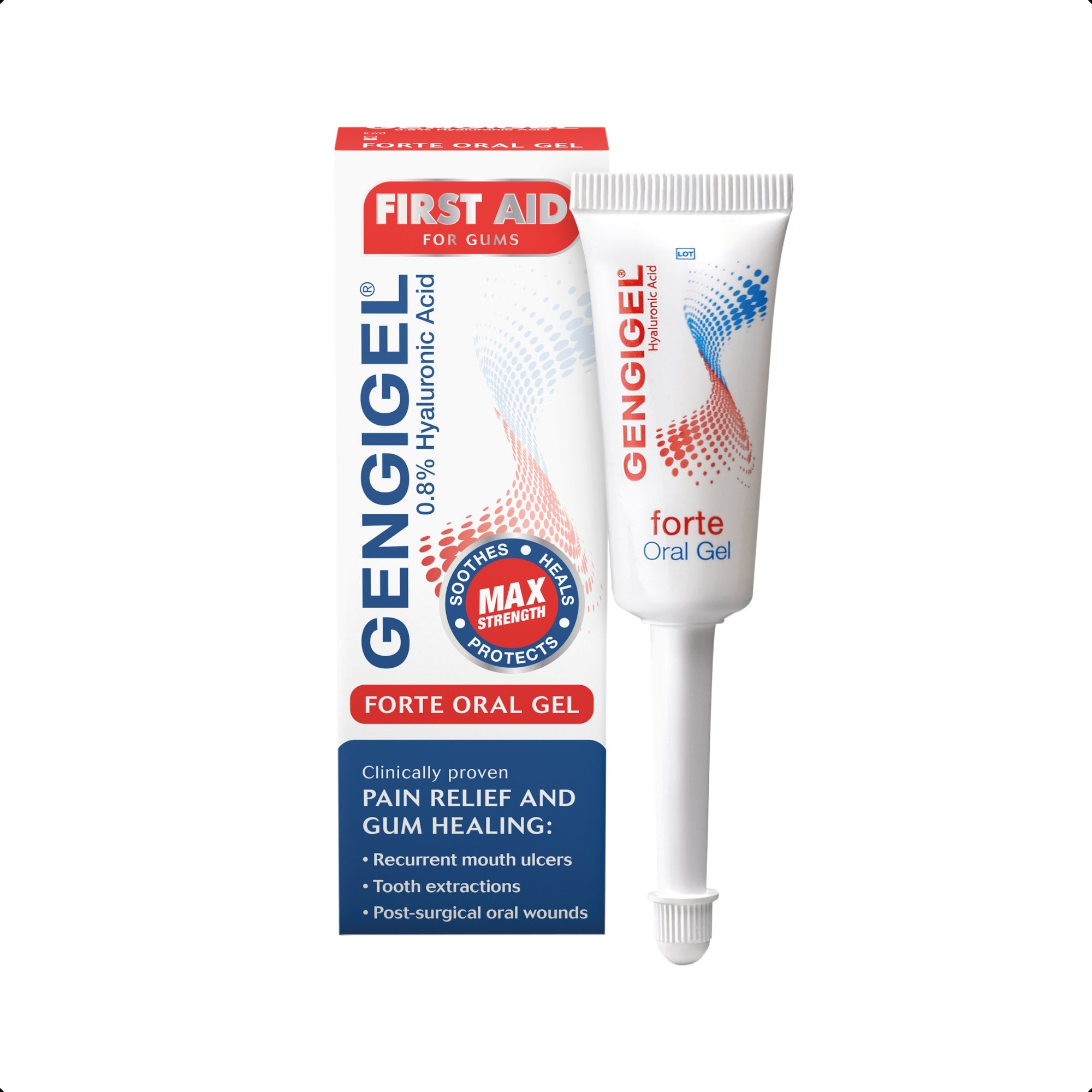
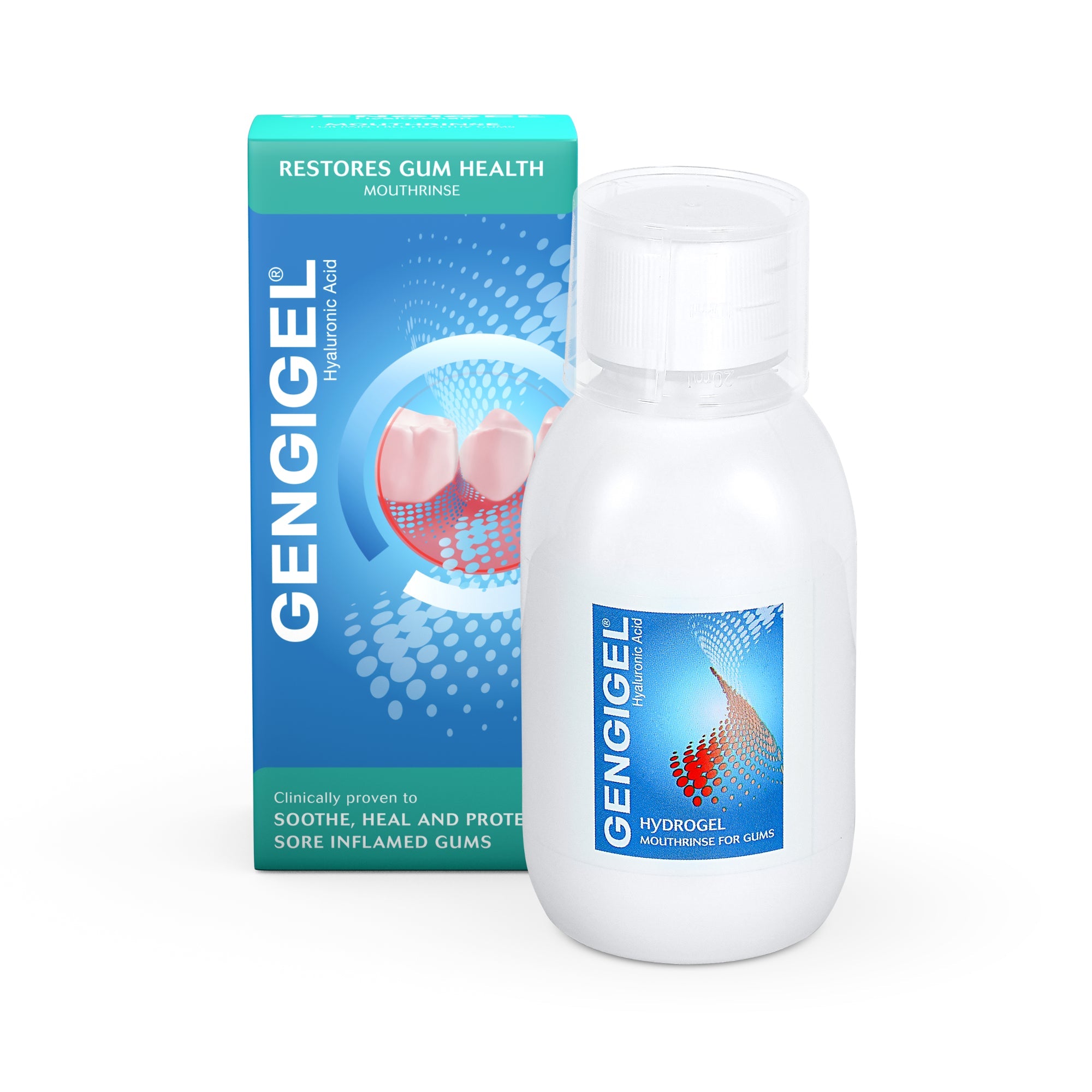

CONVENIENT. FLEXIBLE. REPEAT.
Your oral hygiene sorted by subscription
From orthodontics to retainers, whitening to gum health and healing, and denture care, we deliver.
- Save money on medical-grade products
- Medical-grade teeth, gum and soft tissue care in a subscription built for you
- Swap, change frequency, amend your subscription, or cancel anytime
Clinical gum health
Whatever the irritation, there's a clinical grade solution for gums.



Find out why our customers are smiling…
“These products are great! I find them very helpful in keeping my gums healthy.”
Gengigel FAQs
Gengigel is an oral gel that helps soothe, protect, and heal inflamed or damaged tissue in the mouth. It's built around hyaluronic acid – a substance your body already produces naturally – which plays a key role in how tissue repairs itself.
It's great for bleeding or sore gums, mouth ulcers, wounds, irritation from braces or dentures, discomfort around implants, and dry sockets after an extraction. You can also use it as part of your daily routine to keep gum tissue healthy in the long run.
Yes – it's a popular choice and regularly recommended by dental hygienists. Hyaluronic acid helps reduce inflammation, support healing, and make gum tissue more resilient to further infection.
It works best alongside a solid brushing and interdental cleaning routine rather than as a standalone fix – but it's a genuinely useful addition if your gums need extra support.
One thing to note: don't use Gengigel at the same time as any product containing chlorhexidine (like Corsodyl), as chlorhexidine stops it from working. If you use both, space them out, and ask your dentist if you're not sure how.
Gengigel can help support gum tissue that's been affected by recession, but it can't reverse it – receding gums don't grow back. What it can do is reduce inflammation, help the tissue around affected areas heal, and close the pockets between gum and tooth where bacteria tend to gather. That in itself can make a real difference to long-term gum health.
Apply a small amount of gel to the affected area 3–4 times a day, using a clean fingertip to massage it in gently. Then avoid eating or drinking for 30 minutes afterwards to let it do its thing.
If symptoms haven't improved after 10 days, it's worth booking in with your dentist.
There are no known side effects when used as directed. It's free from chlorhexidine and alcohol, and it's safe for use during pregnancy, by children aged 3 and over, and by older adults.
If you notice any unusual reaction, stop use and speak to your dentist.