Day & night relief from dry mouth! Let XyliMelts moisturise and bring relief to your dry mouth! Shop Now


MIND THE GAPS
Switching Up from Floss to Interdental Brushes Could Be Key for Delicate Gums
We're here to take you interdental interstellar!
Far be it from us to disrespect your sterling lifetime habit of flossing. In fact, we salute you. That's dedication. That sort of commitment to your teeth and gums is going to come in handy later: long-term oral health for you.
But if your gums are on the sensitive side – prone to soreness, redness or the occasional bleed – research suggests that interdental brushing should be your method of choice to keep delicate gums calm, comfortable and healthy.
INTO THE IN-BETWEEN, THE BEHIND AND THE BEYOND
Why are interdental brushes kinder to sensitive gums?
It’s a relief to know that flossing isn’t necessarily the way to go with fragile, delicate or sore gums. Let’s face it, when gums are swollen or sensitive, our hearts sink as we’re preparing that length of floss.
But with an interdental brush, you just find the gap, pop it in, back, forth, done. Gently does it.
- Interdental brushes are soft bristled, so they love your gums, even when your gums are having a delicate day.
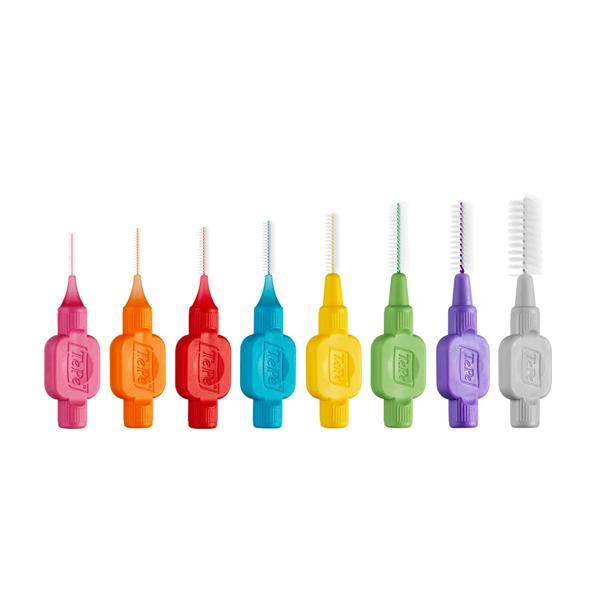
- Different size heads mean you always find the perfect, gentle fit for your gaps.
- Longer handled interdental brushes, like the range from Interprox Plus or TePe Interdental Angles, mean you don’t even need to get your fingers wet.
Plus, there's never a risk of an irritating floss thread shredding in a tight spot. And, besides, who's got time for floss macramé?
WHILE SOME PEOPLE DO HAVE A PREDISPOSITION TO SENSITIVE GUMS,
Plaque is the biggest culprit for causing irritated gums
Here's what plaque thinks: "Please, no, not the brush! Use the floss instead!"
And you will roundly ignore its screams and mind your gaps, and with good reason:
Research shows that participants in studies using interdental brushes have lower plaque and gingivitis scores than those who floss, particularly in between teeth.
TELL ME
Why do gums get irritated in the first place?
Food debris and bacteria left lounging between your teeth turn into plaque in a matter of hours – it's the uninvited guest that never leaves.
That plaque releases toxins that wind your gums right up, leaving them red, swollen and generally unimpressed.
Give plaque a few days undisturbed and it hardens into tartar – and once it's tartar, your toothbrush hasn't got a hope of shifting it.
Delicate gums get irritated, which means bleeding becomes a regular guest – brushing, flossing, even biting into an apple can set it off.
Left long enough, inflammation causes your gums to pull back slightly from the tooth, opening up little pockets where even more plaque and bacteria can move in. A vicious cycle begins.
And the root of it all? Your toothbrush simply can't reach between your teeth – which is exactly why interdental cleaning isn't optional, it's essential.
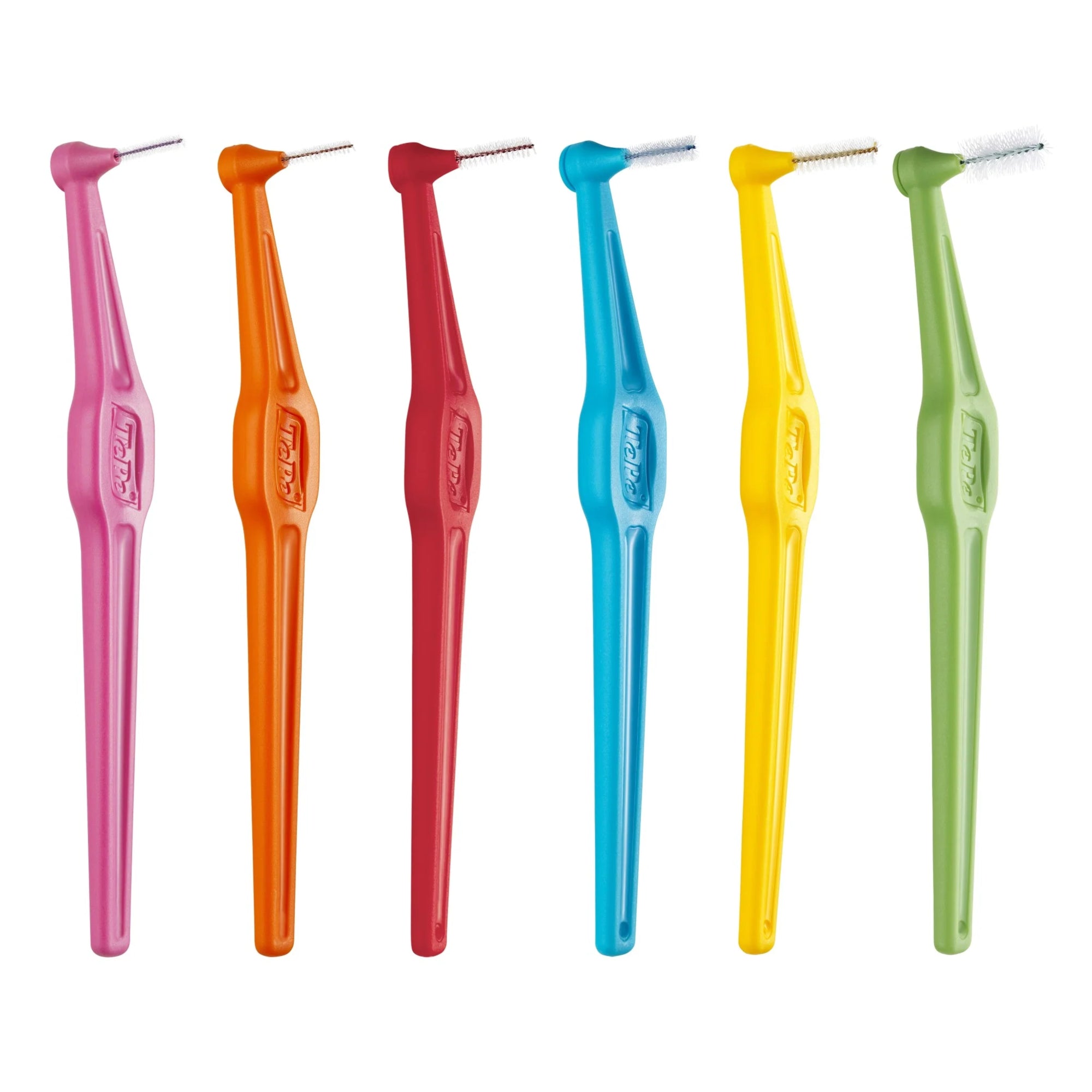
READY TO SWITCH UP TO INTERDENTAL BRUSHING?
Ok, how do I use an interdental brush?
How to use an interdental brush isn't the sort of instruction you ever envisaged searching for, but here we are. Life's full of surprises!
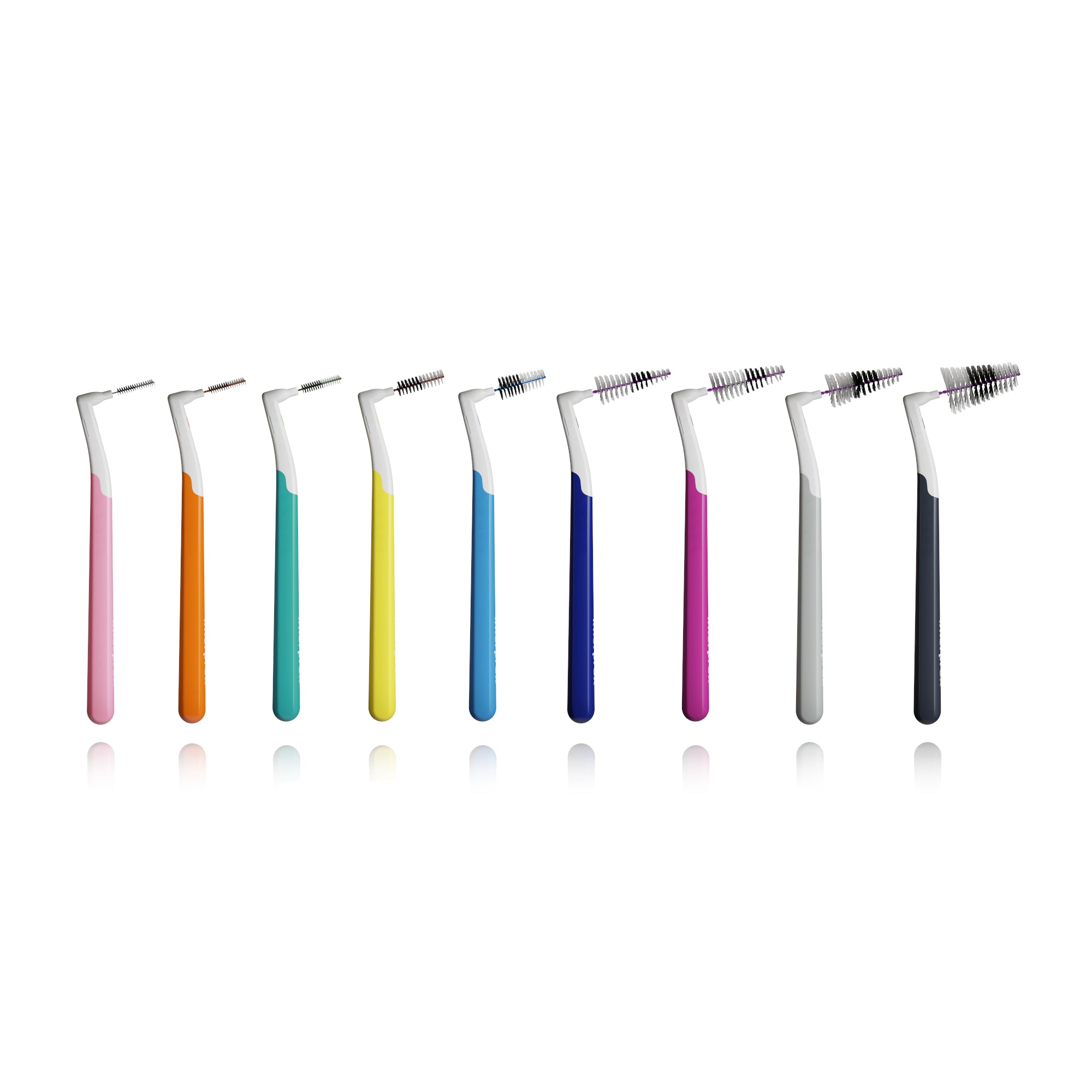
Choose the Right Size
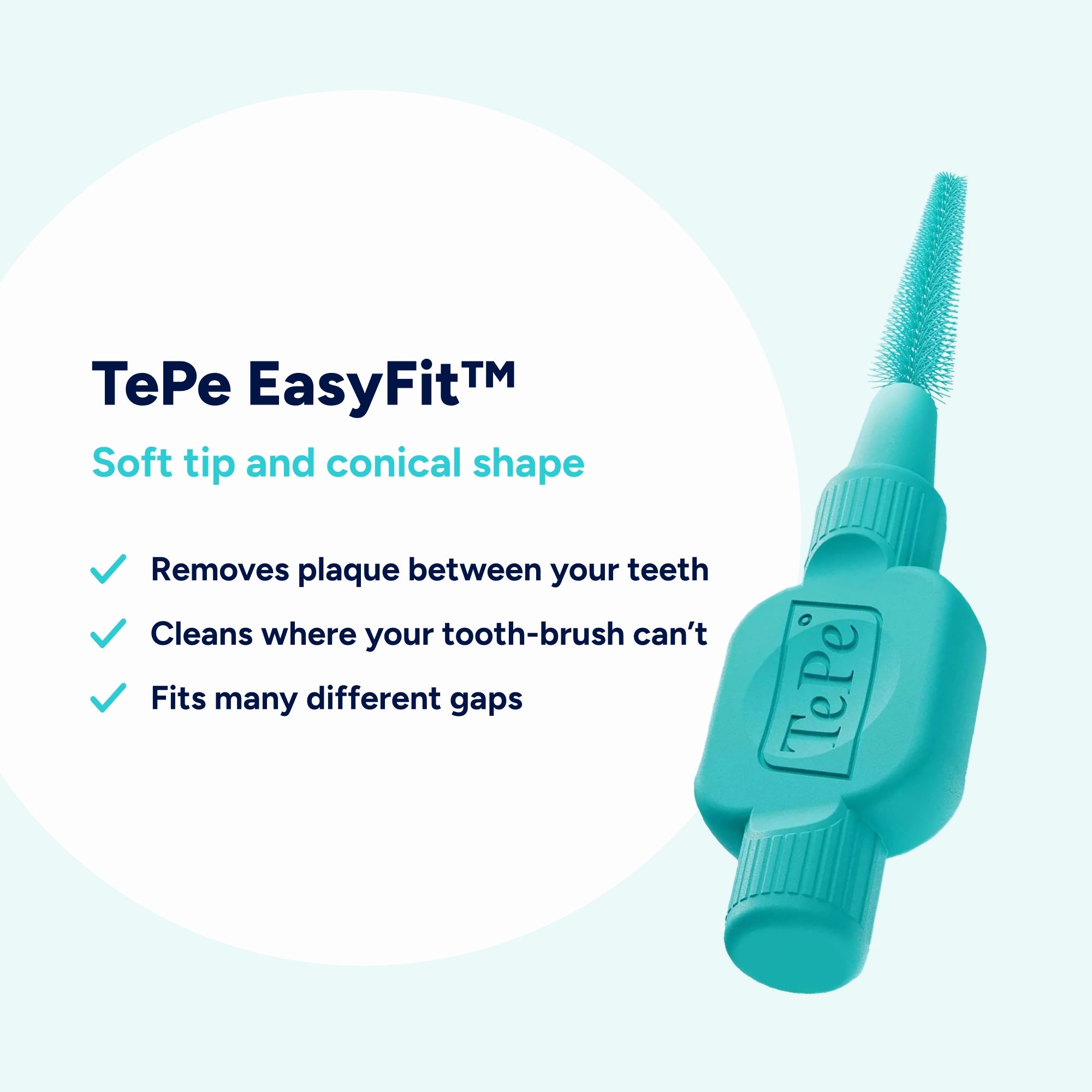
If you’re starting out with interdental brushes, ask your hygienist what sizes they recommend. If you’re months from seeing your hygienist, a little trial and error might be necessary but lots of people have two or three sizes of brush in their armoury. It's worth the small investment; two sets of sizes last you twice as long, right? Quick maths!
The right size is the largest one that passes through a gap with a little resistance – snug enough that it's cleaning the tooth surfaces on either side, but not so tight that you're forcing it in or so loose that it just slides through without touching the sides. Be like Goldilocks: think, just right!
Insert Gently
We're not trying to spear fish in a river! Don't jab it in – we don’t want any nasty surprises for your gums. Tender, sensitive gums need a gentle touch and forcing it in can cause exactly the kind of soreness or bleeding you're trying to avoid. Use a mirror to guide you at first until you know your way around.
.
Move It Back and Forth
A couple of times should do the job. We're not trying to polish the local football team's silverware!
Rinse and Repeat
Rinse the brush during use to clear debris; you'll see it when it's there, particularly on Interprox Interdental Brushes, as they have dual-coloured bristles: black to expose plaque and white to reveal any bleeding – a handy early-warning sign when keeping an eye on delicate gums. Move to the next gap.
Once a day
Use daily, or more, if food loves your intricate tooth arrangement! No one wants breakfast still hanging out at bedtime, right?
Replace your brush when it starts to look a bit sorry for itself
Bent wires and flat bristles mean your interdental brush has given up the ghost! There's a wide range of interdental brushes to choose from, and you can decide which is your swipe right. The important point is that you get busy with them daily.
know your stuff:
Here's why it's time to switch to interdental brushing
No need to just take our word for it, the research is convincing enough:
Cochrane, the gold standard in dental research backs them for the win: Don't just take our word for it – take Cochrane's. The gold standard of dental research reviewed the evidence and gave interdental brushes the nod over floss for calming inflamed gums and easing up on the bleeding. Science has spoken, and it's Team Interdental.
Even the American Dental Association is on board: Their own deep dive into the evidence found interdental brushes pulling ahead of floss when it comes to fighting plaque and gingivitis. When the professionals with the fancy letters after their names say brush over floss, we're inclined to listen.
On the head-to-head clinical trial: Then there's the trial that put floss and interdental brushes on opposite sides of the same mouth, literally. Same patients, same six weeks, one side flossing, one side brushing between. The interdental side came out on top for plaque removal and gum pocket depth. Fair fight, clear winner.
On plaque and gingivitis scores: The numbers don't lie. People using interdental brushes consistently clock up lower plaque and gingivitis scores than the flossing crowd, especially in those tricky in-between spots. Turns out the little brush really can outdo the thread.
by now
You're almost as good as a pro with interdental brushes
But, if your gums are bleeding, take a little look at our article:
BUT
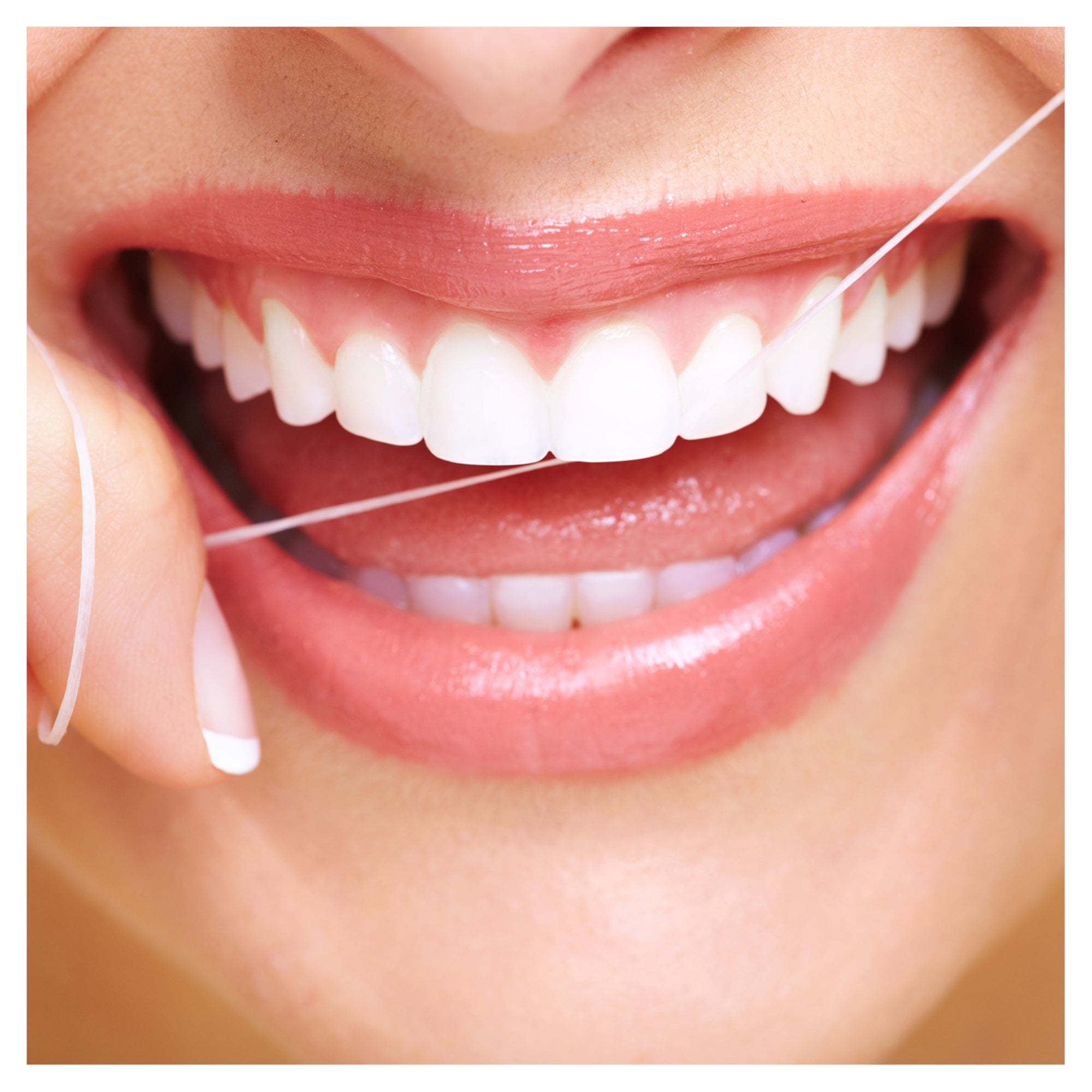
Remember, there is still a place for floss
Food gets into places that even the tiniest interdental brush can't reach! Yeah, that's right, chia seed, we feel you, and we're coming for you … just as soon as we reach for our trusty dental floss.
That seed's got no chance!
Ooh, that's better!
YOUR GUMS ARE IN THIS FOR THE LONG HAUL
Healthy Smile Pharmacy are right here with you
Let's dazzle with that smile. Keep interdental brushing!
Further Reading