Day & night relief from dry mouth! Let XyliMelts moisturise and bring relief to your dry mouth! Shop Now


OOH, GOOD, I DID IT AGAIN
That Interdental Cleaning Habit? Make it Second Nature
Hands up if some days getting stuck into interdental cleaning is the last thing you want to do.
Unfortunately, if you’re the type of human that’s in any way thrill-seeking, dopamine-hunting or just plain leave-me-alone(ing), then cleaning the spaces between your teeth is probably something beneath a z-list task.
Even when we’re keen, there are still those days. Getting strung up in floss, wet fingers and tensing up while rummaging in small spaces might just be the thing that makes you skip cleaning between your teeth altogether.
Sound familiar?
But what if there’s a way to make interdental cleaning fit naturally into your day? Dare we even say it – what if it becomes so second nature, you’d miss it if you skipped?
GET OUT OF A RUT AND INTO AN INTERDENTAL GAP
Repetition. Repetition. Repetition. Oh, and some well-placed and well-timed cues help stack interdental cleaning habits.
We’re not going to lie – establishing a health habit demands rinse and repeat. Habit formation takes time, and there’s no magic 21-day deadline. The 2024 systematic review Time to Form a Habit found that the time needed to establish health habits varied considerably between people and behaviours, with some people taking much longer than others. So, if you’re not getting interdentally busy in 21 days, it’s fine – just keep brushing!
There’s even flossing-specific research behind this. In a study looking at how people develop a flossing habit, doing it more frequently and attaching it to an existing routine were associated with stronger automatic behaviours. In other words, the aim isn't to summon heroic levels of motivation every night – it's to give your brain the same cue, then repeat the behaviour until it starts to feel more automatic.
Habit frequency, timing, context and individual choice all play a part. But once the behaviour’s become automatic, it’s practically part of your DNA. Interdental cleaning as second nature? Bring it on!
PLAQUE: JUST REMOVE IT!
Ways to develop the good interdental cleaning habit. Begin today.
In time, you're aiming for interdental cleaning to become a, oh, just did that – winning – habit.
Habit formation isn’t one size fits all. Some of us do it by sheer bloody-mindedness, some by piggybacking on another established behaviour, and making a behaviour more enjoyable may help it become a habit too.
We’re going to take you through some ways to do that from understanding through to choosing, refreshing and enjoying to persisting.
A QUICK BRUSH UP
1. Know why interdental cleaning’s important then get going
Don’t get bogged down with the whys, though. If you love a bit of research – great! But other than that, just know:
Around 30 to 40% of your tooth surfaces are between your teeth
Plaque builds up every day
Interdental cleaning can help reduce plaque and gingivitis alongside toothbrushing
So, it makes sense to build it into a regular, ideally daily, routine
2. Choose a tool you actually like using
Neither flossing nor interdental brushing is automatically best for everyone. Interdental brushes can be particularly useful where they fit comfortably, while floss can clean those tighter spaces that even a 0.7mm nano brush can’t enter. While your dentist or hygienist can help you choose the right method and size for your mouth, we’re focusing here on habit formation so if talking to them means delaying until your next visit, it’s better to start somewhere than not at all.
- Ready to go interdental?
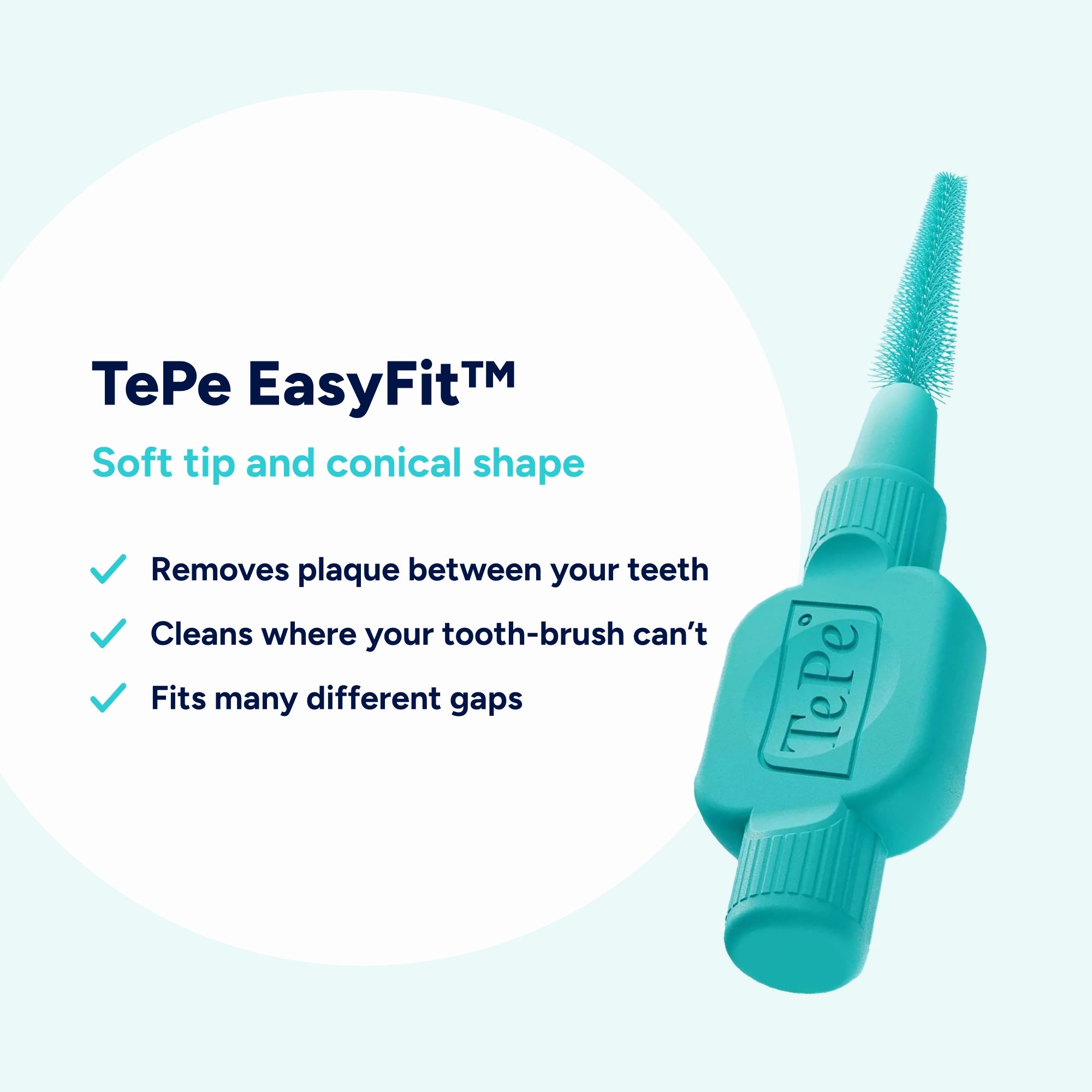
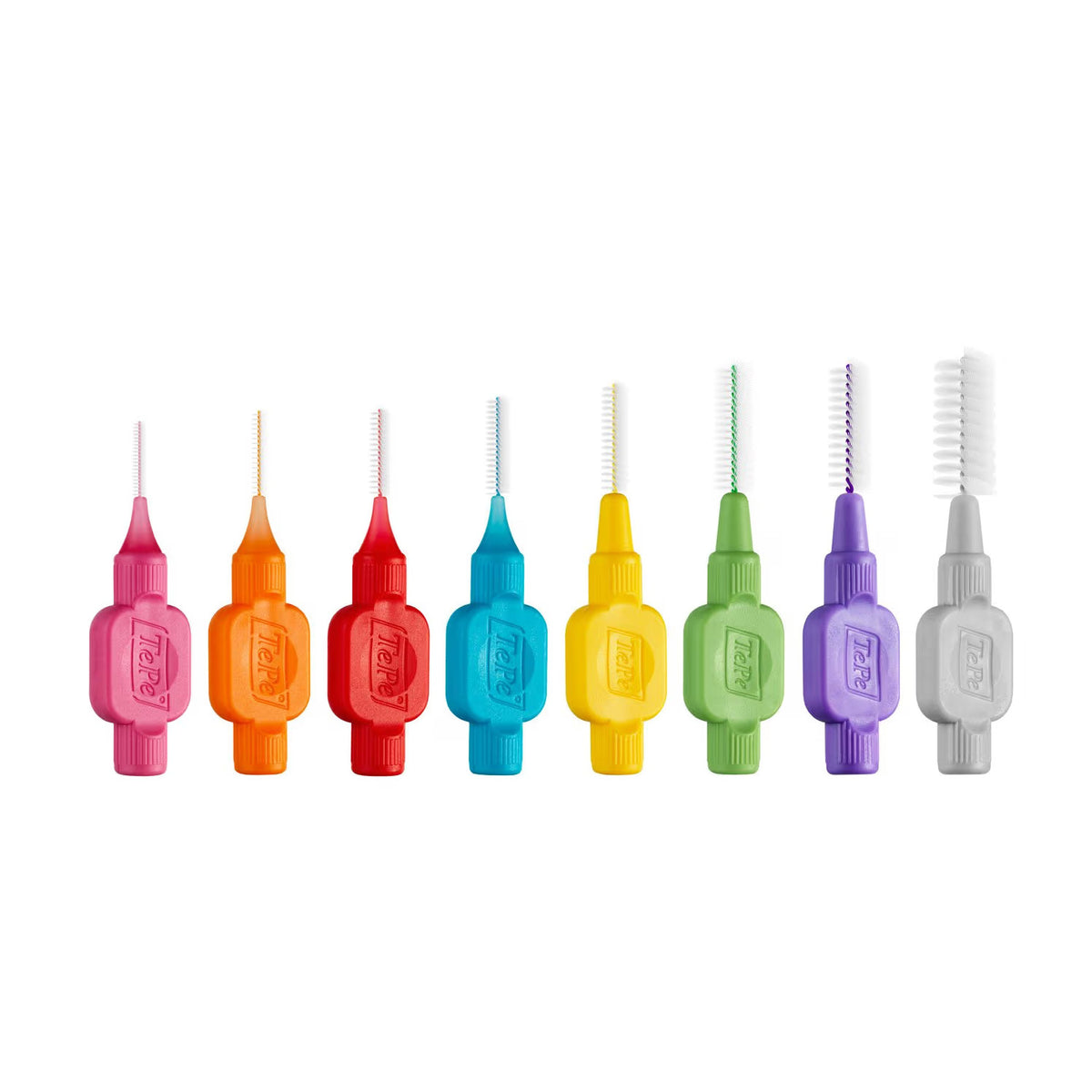
TePe Easy Fit Interdental Brushes
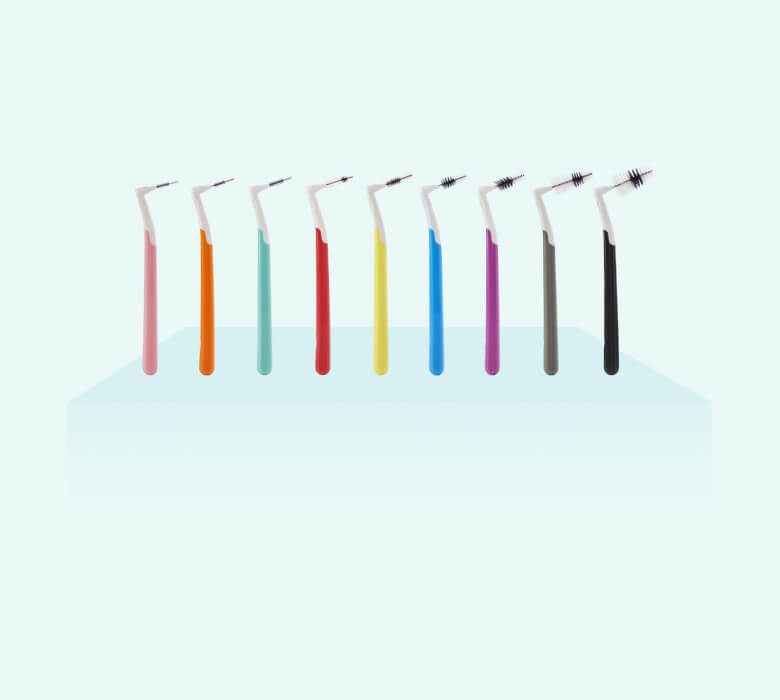
The two sizes fit many gap widths so no need to fret. Easy to pop in your basket (and your gaps, of course) as they’re either Small/Medium or Medium/Large. You can get going quickly without having to worry about too many gauges. They adapt to suit gaps because they’re flexible and tapered. Easy to handle for first timers or old timers. Plus, they come with a travel case so you can get flexible too – with when and where you’ll use them.
- Our top ‘pick’ for starting somewhere?
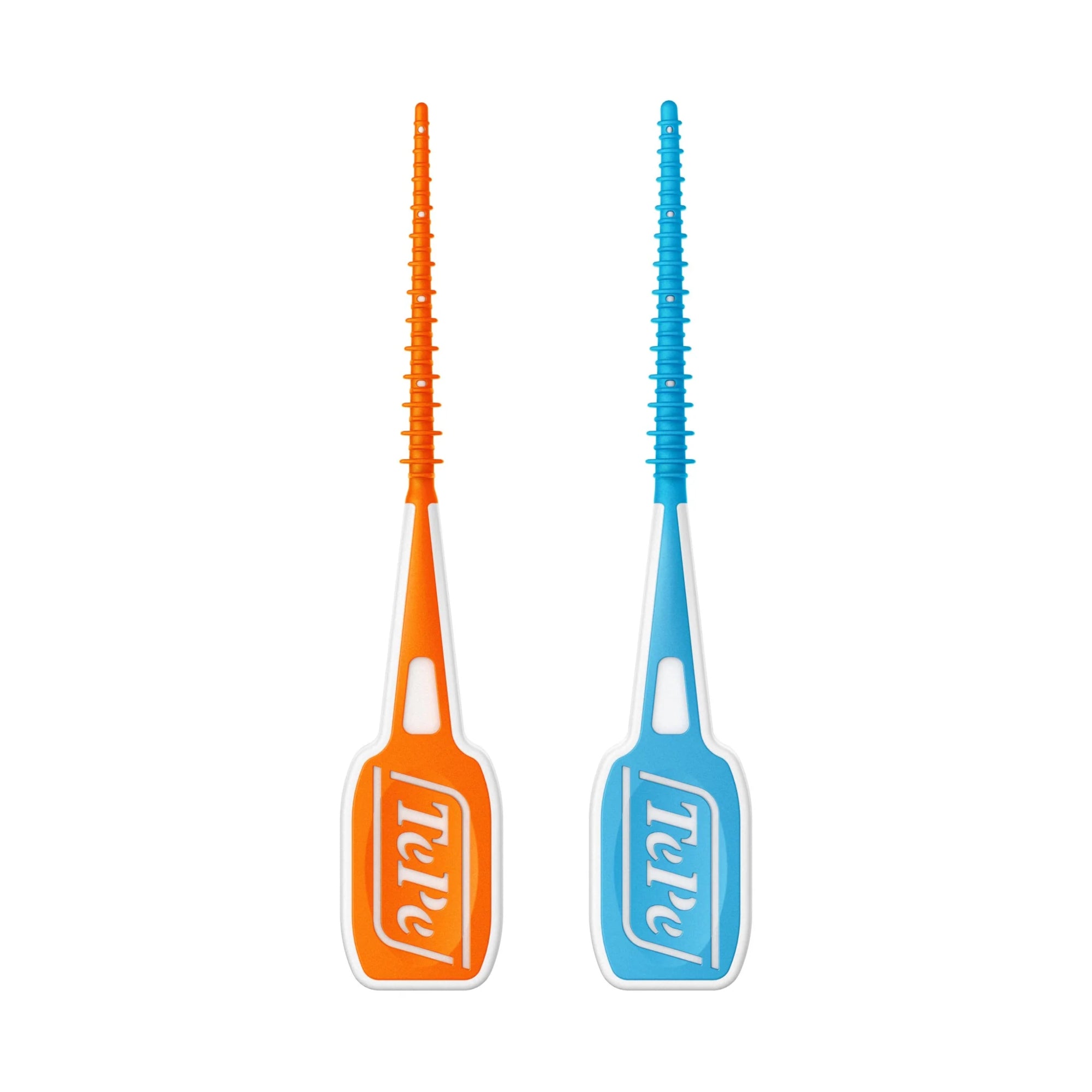
The simple, portable version of interdental cleaning they promote a healthy habit of cleaning on the go. With picks, you won’t need to rinse so you’re free to roam beyond the sink, into the lounge, in front of the TV. Maybe not on a first date, though! Go orange if contacts are snug, blue if those gaps are roomier and purple if you’re blessed with generalised spacing.
- New to flossing?
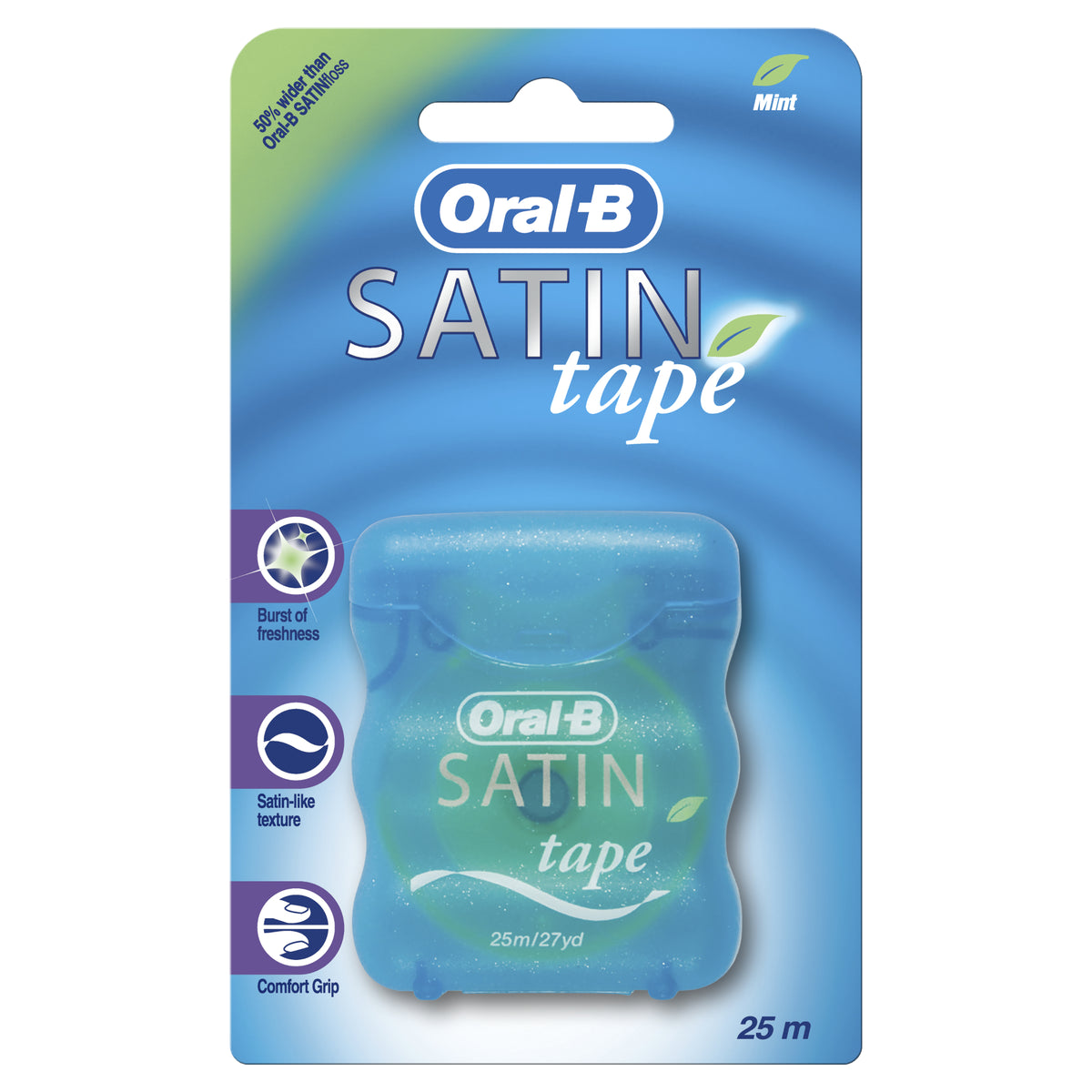
For those places where an interdental pick or brush won’t fit. It has a smooth, satin-like texture that’s comfortable to handle, making it a straightforward choice when you’re cleaning between your teeth.
SWITCH IT
3. If you hate your tool, change it
Always hated flossing? Then why are you flossing? There’re no prizes for being a slave to the floss. Hating the tool and finding the job thoroughly unpleasant doesn’t create a habit. If a tool creates a sensory overload that you struggle with – that sensation of cutting the blood off in your fingers with a dodgy flossing technique, for example – then it’s time to swap.
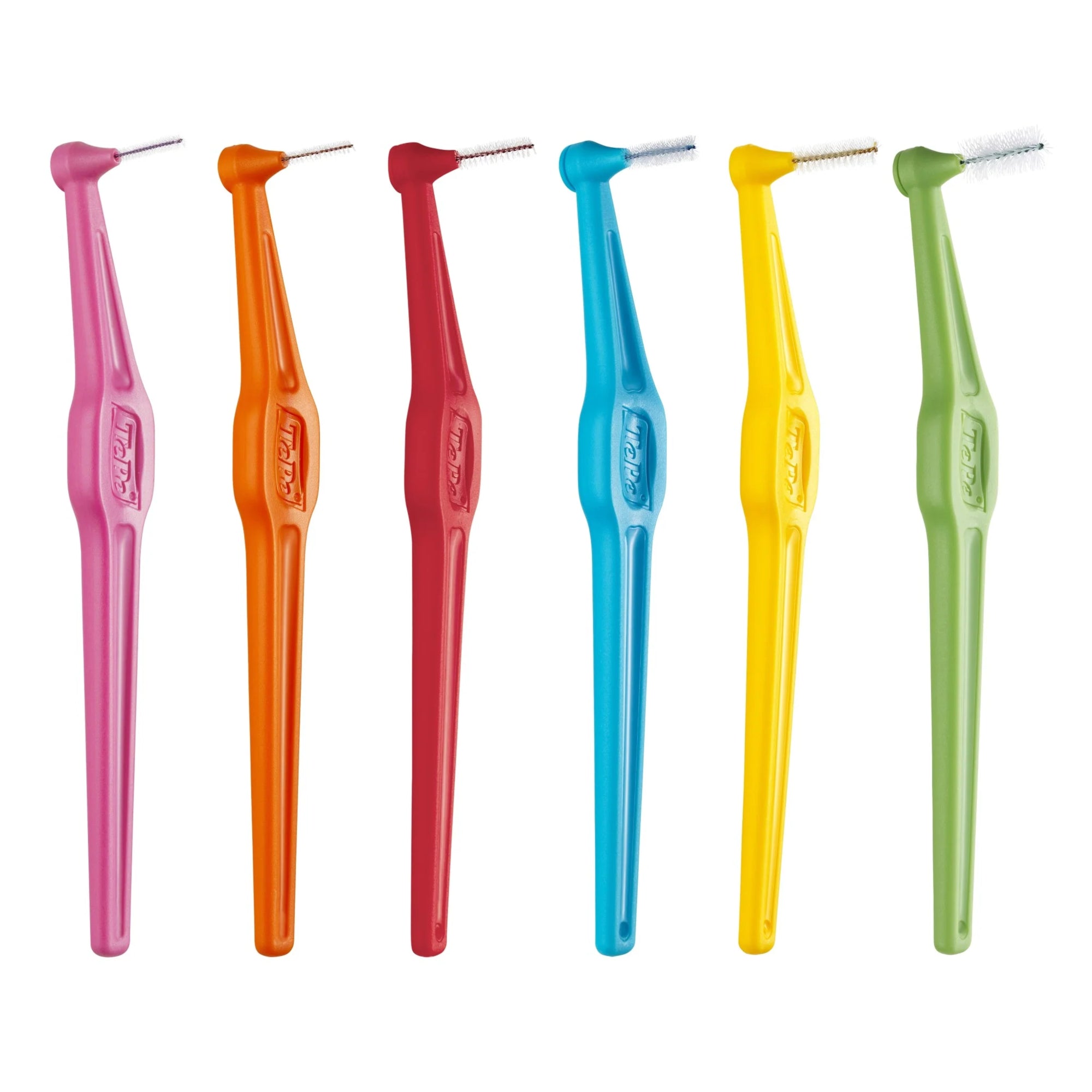
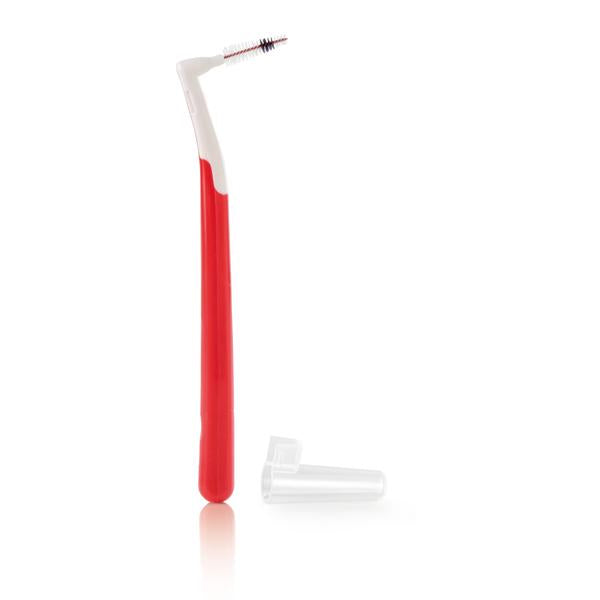
Long-handled interdental brushes might be the very thing that makes you come to love the behaviour. There’s no struggling to pay attention to the teeth at the back with angled handles. Both Interprox Plus Interdental Brushes and TePe Interdental Angles clean without the finger acrobatics that floss can sometimes require. It might be just the thing your brain needs to begin thinking, hey, we can do this – every day!
DUSTY OR DRIED UP?
4. Give yourself a fresh start with a fresh new interdental tool
Disgust is a powerful avoidance response. We can all agree that grubby-looking tools are hardly an invitation to get started building a habit. Fluff on your floss, a flat-bristled brush and the local sparrows eyeing up your discarded wooden picks for nest building – they're all likely to put you off.
To get going, you might need to throw out the old and bring in the new. You can still stay economical – some people prefer brushes that can last 1 – 2 weeks and some like to swap brushes regularly and look for a more economical price per interdental tool.

YOUR GAPS + YOUR TOOLS = INTERSTELLAR INTERDENTAL SUCCESS
5. Match your tools to your mouth
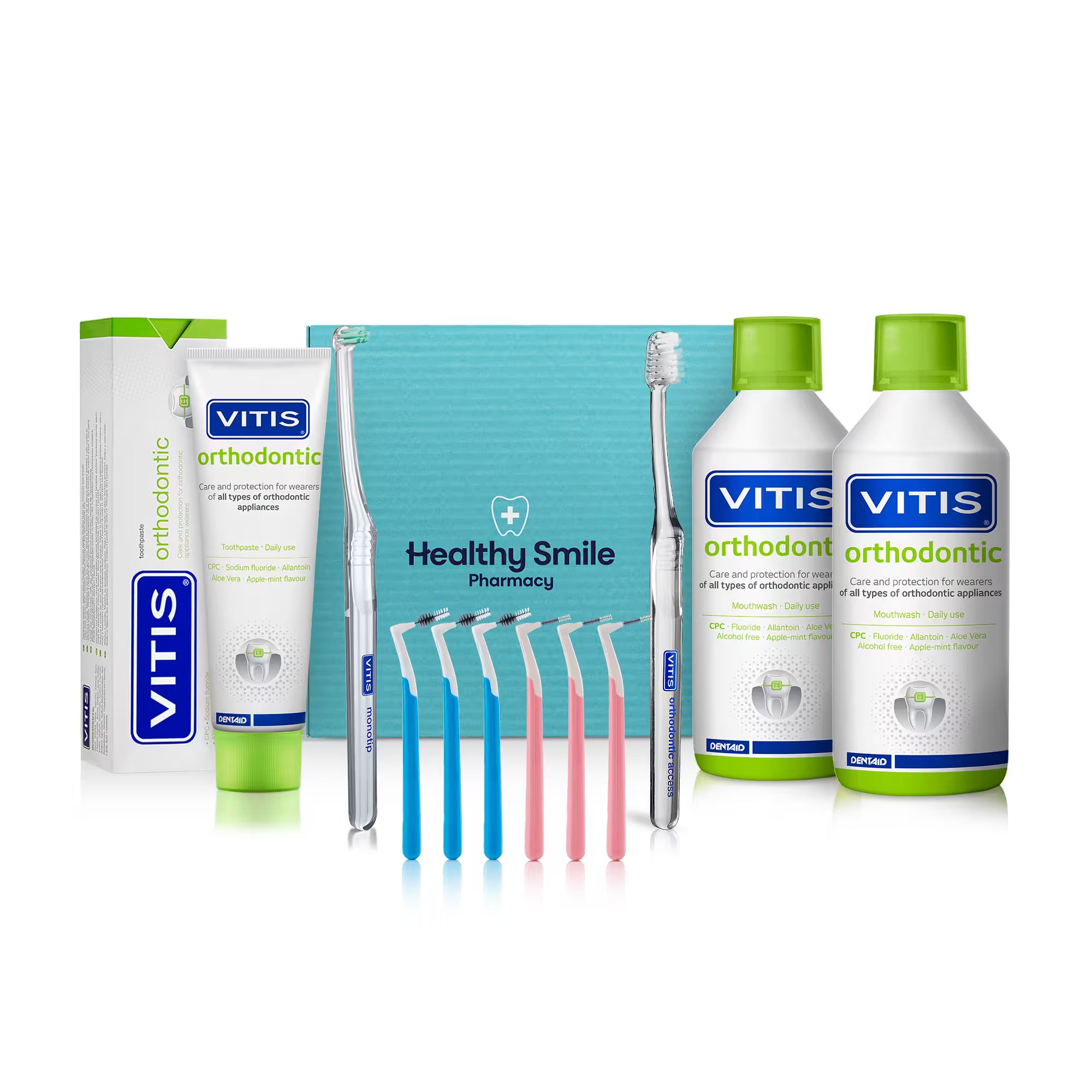
If the old ways of cleaning don’t match your new dental work, it’s also time for a swap. Orthodontic work spells additional care for interdental spaces as they make it harder to clean your teeth. Take a look at specialist interdental cleaning recommendations if you’re wearing aligners or fixed braces when your interdental cleaning routine may need to include a combination of tools to keep those in-betweens spick and span. NICE recommends that your cleaning kit for orthodontic work should be guided by your dental practitioner.
Bridge work and implants also need a different sort of TLC from a range of tools. When it comes to floss, for example, it’s probably a case of out with the old, in with the stiff-ended and threadable with ProxySoft’s Bridge and Implant Floss when you’ve had restoration work.
NO MORE MANYANA, BABY
6. Put your tools where you can see and reach them
Make the habit easy to start. Research into forming new routines suggests that people naturally look for ways to minimise effort – including keeping the things they need close at hand or somewhere visible. So put your interdental brushes, picks or floss somewhere that makes sense for your routine. A pack of TePe Easy Picks on the TV soundbar might seem strange but, if seeing them makes it easier to remember and get started, why not?
If getting started involves hunting through a drawer, finding the floss, untangling it and generally entering an obstacle course, your brain has more opportunities to think, actually, maybe tomorrow.
GIVE IT A LITTLE PAVLOV’S PUPPIES
7. Give your habit a cue
Repeating a behaviour in a consistent context can help the context become associated with the behaviour. While the clinical advice may be to clean interdentally before big sleep, in terms of forming habits, if that doesn’t work for you, fine. When it comes to building a habit, choosing a cue that works for you gives you something consistent to come back to.
And don’t think that you have to stick to that one time in the day – if interdental cleaning becomes a moveable feast because that’s what will keep the habit happening, then, why not? If you decide that when you’re doomscrolling, you may as well be cleaning your interdental spaces, then the context isn’t a set time – it's a set context.
Sun up, sun down, poolside watching the little ‘un learn to swim – you do you!
NO TALKING!
8. Reduce decision making
Interdental cleaning isn’t a nice optional extra. Treating it as though it is up for discussion allows for those mental debates to creep in – you know the ones – I did it yesterday, maybe skipping it is ok? I’m tired – I’ll do double tomorrow.
The more established a behaviour becomes, the less conscious deliberation it tends to require. So rather than holding a nightly debate about whether you're going to clean between your teeth, make it a given – like putting on your seat belt in a car. No quibbles.
THEY’RE YOUR SPACES TO LOVE
9. Work with your quirks
Rumour has it that one of our customers cemented cleaning his interdental spaces daily because he was determined to make his hygienist change the record. He set out to see if he could earn her high praise rather than a wagging finger. What would happen if he did exactly as she said – would she notice?
Your motivation does not have to be the same as the next person to warm your hygienist’s chair. Having once had sore, bleeding gums might be enough for you to say never again. Or just finding ways to look after your health in general by stacking simple, non-time consuming habits might keep you reeling off the floss.
Did our customer get the attention he sought? His gum pocket measurements had improved across the board and he’s just got a little more work to do at the back. His hygienist was pleased with the progress too – he was even changing interdental brush sizes as things improved, which was another encouraging sign for her. He may be a little disappointed his professional wasn’t more effusive, there was no ticker tape parade, but those improving measurements are pretty good news altogether.
His tool of choice? Interprox Plus Interdental Brushes. Yellow’s his flavour, but you can do you as they come in a range of sizes and their dual-coloured brushes mean plaque or bleeding are easily detected.
UNSTOPPABLE AND WITH GREAT GUMS
10. Keep the habit going, no matter what
Fire, flood, heartbreak, glory or just plain old ho-hum-hum-drum life, the key is to keep going. The most effective parts of your oral health (and remember, oral health is health) are the bits you keep doing. Missing days because you’ve got flu might be unavoidable but make it one of the things you pick up quickly again as you feel better.
Missing a day doesn't erase the habit you're building. The important thing is getting back to it rather than letting one missed day become a missed week.
WHEN IT COMES TO A HABIT ...
It’s still you, just with a better interdental cleaning habit
You're not trying to become a person who is permanently motivated to clean between their teeth (easy, tiger!). You're utterly allowed to do and talk about different things. You're just trying to make cleaning between your teeth easy enough, pleasant enough and familiar enough that you don't need much motivation to do it.
Keep brushing!